OpenAI · model directory
Какво е gpt-image-1? Обяснение на модела за изображения на OpenAI
gpt-image-1 е моделът за изображения на OpenAI, достъпен през API и стоящ зад генерирането на изображения в ChatGPT. Силен е в следването на сложни prompt-и.
gpt-image-1 at a glance
- Създател
- OpenAI
- Достъп
- API и ChatGPT
- Тегла
- Затворени
- Известен с
- Следване на инструкции
- Рендериране на текст
- Силно
- Предшественик
- Линията DALL·E
Защо работата редом с езиков модел променя поведението
Класическият diffusion конвейер кодира Вашия prompt във вектор и условно базира генерирането на изображението върху него. Това работи, но деградира по специфичен начин: дългите prompt-и се „размиват“, отрицанията често се игнорират, а връзките между обектите — зад, държи, вместо — се спазват слабо.
Когато генераторът е закачен за модел, който действително е прочел изречението, тези случаи се подобряват. Поискайте сцена с три конкретни елемента, където един умишлено липсва, и шансът да я получите е по-висок, защото нещо в конвейера е разбрало думата "without".
Практическата разлика личи най-вече при сложни заявки. Простите prompt-и изглеждат сходно във всеки модел в този указател; разликата се отваря при тези с условия.
Рендериране на текст и какво отключи то
Тази линия модели е сред по-добрите в поставянето на четими думи в изображение, затова и в масова употреба (не само сред специалисти) се появи вълна от генерирани инфографики, макетни реклами, миймове с надписи и изображения в стил диаграми.
Важно е да сме ясни за тавана. Кратките низове са надеждни; по-дългите пасажи деградират, а нито един модел за изображения не замества реалното наборно оформяне в истински инструмент — генерираният текст не може да се редактира, пуска на правописна проверка, превежда или преформатира впоследствие без повторно генериране на цялото изображение.
Здравата техника е същата като при FLUX: генерирайте картинката, добавете думите както трябва. Генерираното заглавие е само макет на заглавие.
Достъп и наложените от това ограничения
Наличен е през API и в ChatGPT. Теглата са затворени, локален вариант няма, а генерирането е с измервано потребление.
Политиката за съдържание се налага при генериране — по-строга е от повечето отворени конвейери и понякога отказва безобидни заявки. Това е реално триене за част от легитимната работа и реална защита в други случаи; кое от двете е — зависи изцяло от това какво сте се опитвали да създадете.
За всеки, който гради продукт върху него, тази комбинация — таксуване по потребление, филтриране по политика, затворен код и промени по графика на доставчика — е наборът от ограничения, около които да планира. Те са същите ограничения, които налага всеки затворен хостван модел.
Как се сравнява в този указател
Спрямо Nano Banana това е най-близката двойка тук: и двата са затворени, и двата са закачени за голям асистент, и двата се управляват разговорно. Разликите, които хората отчитат, са в последователността при редактиране и в точния характер на изхода, а не по вид.
Спрямо Midjourney е по-буквален, със по-слаба стандартна естетика и по-добро справяне с конкретни инструкции. Спрямо FLUX и Stable Diffusion разделителната линия е контролът и собствеността — те могат да се хостват самостоятелно, а този не.
Бележка за името DALL·E
Хората все още търсят DALL·E и много от писаното онлайн за генериране на изображения с OpenAI се отнася за тази линия. Това е същата родова линия, а не несвързан продукт, и практическите съвети за prompting до голяма степен още важат.
Поддържаме отделно сравнително изложение LaFoto срещу DALL·E, което навлиза по-надълбоко в това къде кой е по-добрият избор, отколкото е разумно за запис в указател.
Разчитане на изречението
Какво се променя, когато езиков модел е във веригата
Класическият diffusion pipeline кодира Вашия prompt във вектор и го използва като условие. Това се влошава по специфичен начин: дългите prompt низове се „размиват“, отрицанията се игнорират, а връзките между обектите се налагат слабо.
Когато генераторът работи заедно с нещо, което наистина е анализирало изречението, тези случаи се подобряват. Поискайте сцена, в която даден елемент умишлено липсва, и шансовете да го получите са много по-големи, защото системата е разбрала думата „without“.
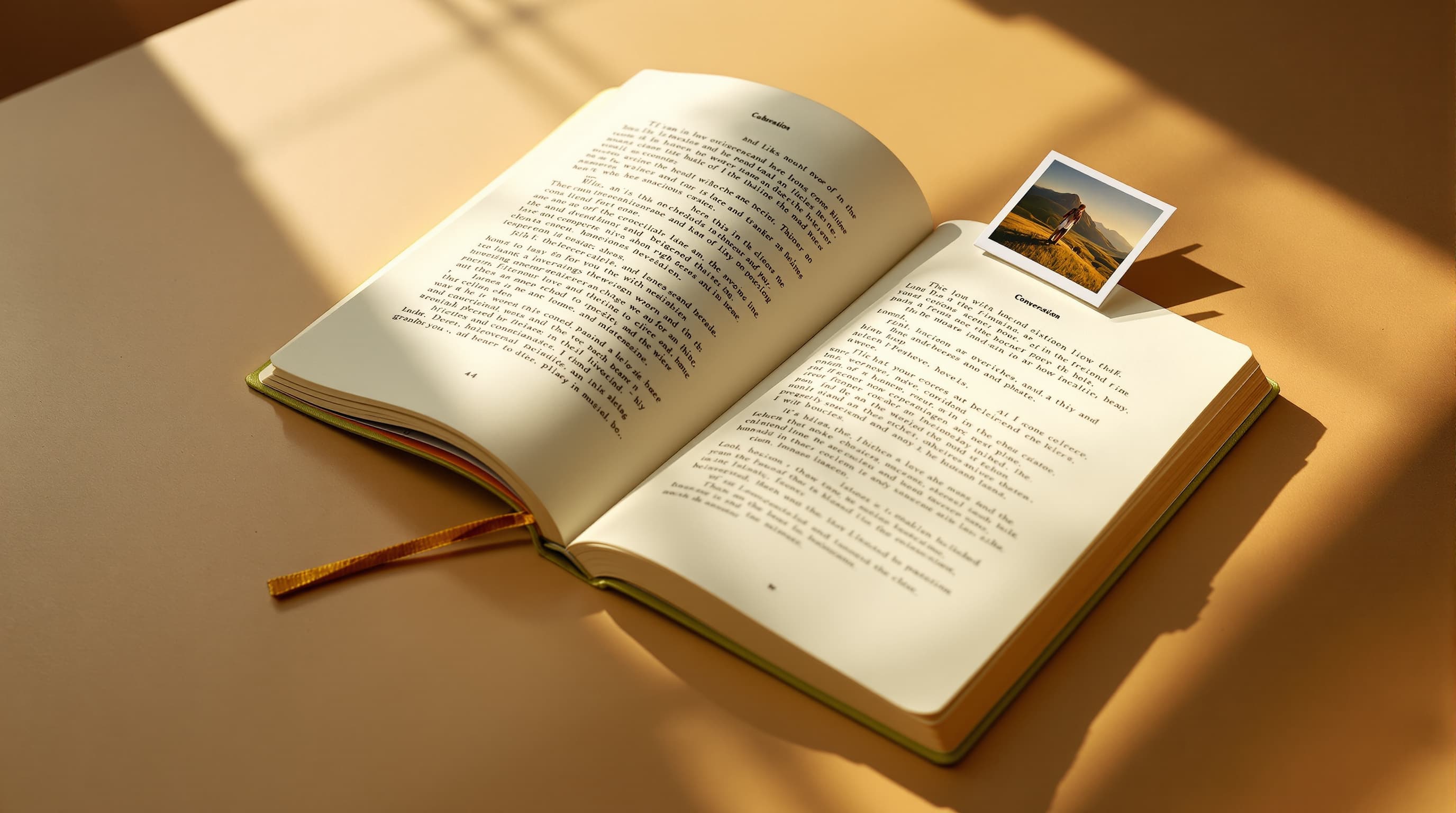
Три начина, по които сдвояването личи
Където следването на указанията прави разликата
Prompt с условия
Няколко зададени елемента в описана взаимовръзка, с умишлено изключен обект. Това е случаят, в който по-простите pipelines свеждат изречението Ви до ключови думи и губят структурата.
Простите заявки изглеждат сходно във всеки модел в този указател. Разликата се отваря при тези с логика в тях.
- Отрицанията се запазват в изображението.
- Пространствените връзки се спазват по-добре.
- Дългите prompt низове деградират по-малко.
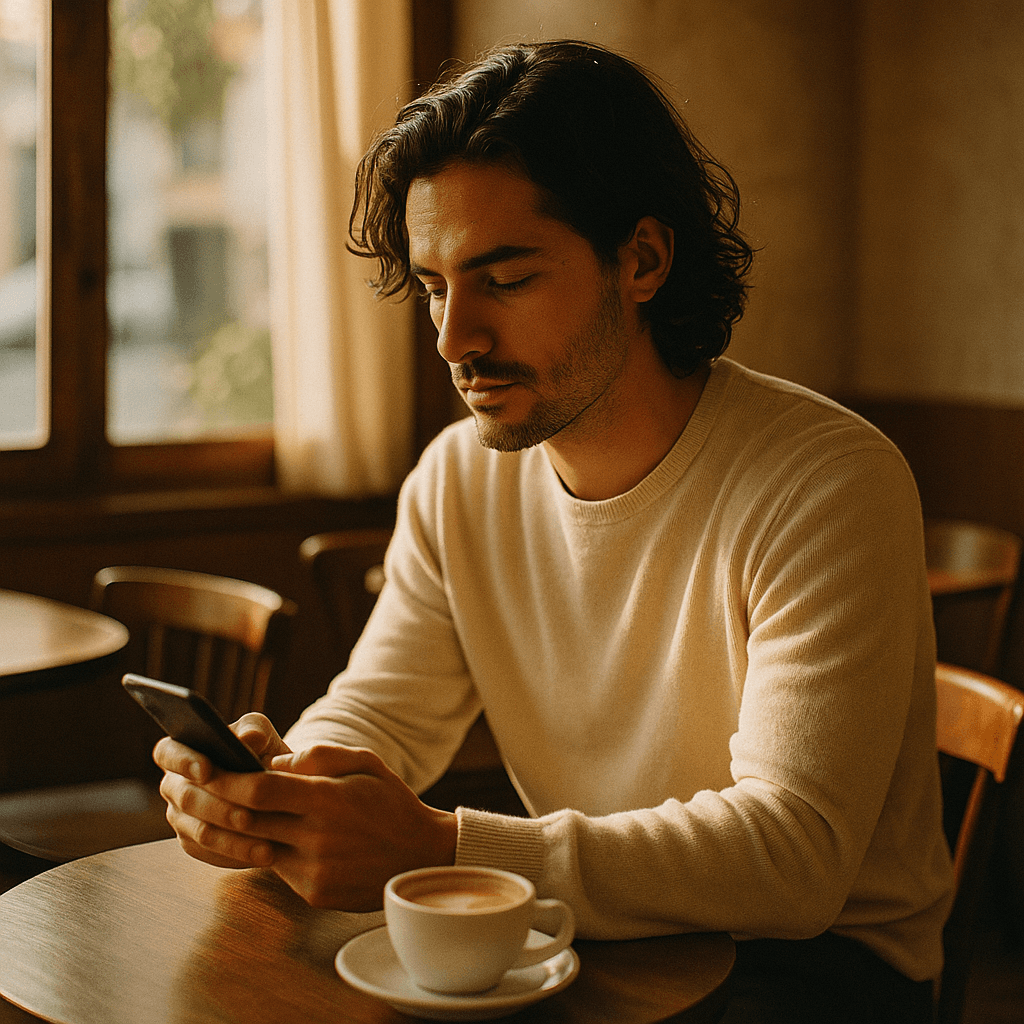
Снимки с текст върху тях
Диаграми, пробни реклами, мемове и обяснителни изображения, в които кратък низ трябва да е четлив и коректен.
Надеждно за няколко думи; не е система за набор. Третирайте генерираните букви като макет на надписа.
- Кратките низове са предвидими.
- Дългите пасажи още се провалят.
- За финалното поставете истински наборен текст.
Корекции вместо нов prompt
Тъй като околният асистент пази нишката, последващите указания надграждат върху последния резултат, вместо да започват от чисто нов prompt.
Това го прави по-изпрощаващ за хора, които не са учили синтаксис на prompt, и по-малко прецизен от pipeline с явни параметри.
- Няма синтаксис за учене.
- Всяка стъпка надгражда предишната.
- По-малко точно от явните контроли.
Въпроси за gpt-image-1
Практическите ограничения
С какво да се съобразите, ако градите върху него.
Защо моят prompt беше отхвърлен?
Политиката за съдържание се прилага при генериране и греши към предпазливост, затова понякога отказва и безобидни заявки. Това е компромисът при филтриран pipeline.
Същото ли е като DALL·E?
По-скоро е продължение на тази линия, а не отделен продукт — затова по-старите съвети за prompting до голяма степен още важат.
Мога ли да фиксирам версия?
Не по начина, по който самостоятелният хостинг позволява. Както всеки затворен хостван модел тук, той се променя по графика на доставчика, а не по Вашия.
Как се сравнява с Nano Banana?
Това е най-близката двойка в този указател — и двата са затворени, вързани към асистент и разговорни. Разликите, за които се съобщава, са в последователността при редактиране и характера на изхода, а не по вид.
Добър ли е във фотореализъм?
Компетентен, но не водещ в категорията. Отличителната му сила е да разбере какво поискахте, а не последните няколко процента фотографско качество.
Мога ли да използвам резултатите търговски?
Обикновено да, според условията на доставчика — което е реално предимство на затворен хостван модел спрямо някои open-weight лицензи. Прочетете актуалните условия, а не разчитайте на резюме.
Работа с prompt и сравнения
Свързано четиво в този сайт
Продължете да изследвате
Другаде в LaFoto
Какво да правите с изображението, след като го имате.
- преоразмерете изображение
- конвертор на изображения
- компресор на изображения
- изрежете изображение
- вземане на цвят от изображение
- премахване на фон
- EXIF преглед
- съставете prompt
- AI генератор на аниме
- AI генератор на карикатури
- създайте пиксел арт
- класирано сравнение
- алтернатива на Midjourney
- сравнение с Leonardo
- алтернатива на Ideogram
- алтернатива на Canva за изображения
- какво е seed
- колко далеч може да се отклони резултатът
- редактиране вътре в маска
- ръководства за AI фотография
gpt-image-1 — questions people ask
- Какво е gpt-image-1?
- Моделът на OpenAI за генериране на изображения, достъпен през неговото API и използван за генериране на изображения в ChatGPT.
- Същото ли е gpt-image-1 като DALL·E?
- Това е продължение на тази линия, а не несвързан продукт. Голямата част от съветите за prompting, писани за DALL·E, все още важат.
- Мога ли да пускам gpt-image-1 локално?
- Не. Теглата са затворени и достъпът е през API на OpenAI или негови продукти.
- Защо се справя по-добре със сложни prompt-и?
- Работи редом с езиков модел, който наистина е парснал изречението, така че отрицания, условия и връзки между обектите се запазват в изображението, вместо да бъдат сплескани до ключови думи.
- Може ли gpt-image-1 да рендерира текст в изображения?
- Кратки низове — достатъчно надеждно, за да планирате около това. По-дългите пасажи деградират, а генерираният текст не може да се редактира или пуска на правописна проверка впоследствие без повторно генериране на изображението.
- Безплатен ли е gpt-image-1?
- Използването на API се таксува според потреблението. Достъпът през ChatGPT зависи от плана Ви.
- Защо отказа моя prompt?
- Политиката за съдържание се налага в момента на генериране и е по-строга от повечето отворени конвейери. Понякога отказва и безобидни заявки, тъй като предпочита предпазливостта.
- По-добър ли е gpt-image-1 от Midjourney?
- Следва инструкциите по-буквално и има по-слаба стандартна естетика. Дали това е по-добро зависи дали искате точно каквото сте поискали или предпочитате изненади.
Започнете да създавате днес
Генерирайте първото си изображение с най-добрия AI генератор на изображения.
Превърнете изречение във фотореалистичен, завършен кадър за секунди — после доизпипайте всеки детайл. Без настройка, без Discord, без мощен графичен процесор.
Присъединете се към 4200+ творци, които използват LaFoto