Midjourney, Inc. · model directory
Che cos’è Midjourney? Il modello con l’opinione più marcata
Midjourney è un modello chiuso, accessibile solo in abbonamento, con un’estetica predefinita molto forte. Che cosa implica il suo stile riconoscibile e quando diventa un ostacolo.
Midjourney at a glance
- Produttore
- Midjourney, Inc.
- Pesi
- Chiusi
- Accesso
- Abbonamento
- Origini
- Nato su Discord
- Conosciuto per
- Uno stile proprietario marcato
- Uso locale
- Non possibile
Che cosa significa davvero "stile proprietario"
Dia lo stesso prompt breve a più modelli e le differenze non sono sottili. La maggior parte restituirà qualcosa di letterale e un po’ piatto. Midjourney tende a restituire qualcosa con luce drammatica, profondità di campo ridotta, una relazione cromatica studiata e la sensazione che qualcuno abbia preso decisioni.
Non è un accidente dei dati di training; è il prodotto. Il modello è tarato per generare immagini che le persone trovano d’impatto, e cercherà quel risultato anche quando il prompt non lo richiede.
Lo scambio è la direttività. Un’estetica tarata si pone tra la Sua istruzione e il risultato: chiedere qualcosa di semplice — un packshot piatto su bianco, un’immagine di riferimento neutra, uno schema — significa discutere col modello invece di istruirlo. È un costo reale quando il lavoro richiede accuratezza più che atmosfera.
La questione Discord
Per gran parte della sua vita Midjourney non aveva un’applicazione propria. Si entrava in un server Discord, si digitava un comando in un canale chat e le immagini apparivano nel canale insieme a quelle di tutti gli altri. Resta una delle scelte d’interfaccia più strane nel software consumer, e ha funzionato.
Il risultato è stato un laboratorio pubblico permanente. I principianti vedevano scorrere migliaia di prompt con i relativi risultati, comprimendo enormemente la curva di apprendimento, e la community si è formata attorno allo strumento, non a lato.
Un’interfaccia web è arrivata in seguito, ed è ciò che la maggior parte usa oggi. L’effetto culturale degli anni iniziali persiste nel modo in cui la community condivide le tecniche e in quanto del sapere pratico sullo strumento viva nella conversazione più che nella documentazione.
Chiuso in ogni direzione
Niente pesi, niente esecuzione locale, nessun livello gratuito sostanziale e storicamente nessuna API generale. L’accesso è in abbonamento e la pipeline è interamente di terzi.
Per molti utenti è esattamente quello che serve: nessun hardware da acquistare, nulla da installare e nessuna pipeline da mantenere. Per chi deve generare a volume in modo programmatico, garantire una riproduzione identica tra anni o tenere i materiali sorgente fuori da infrastrutture di terzi, è un limite strutturale, non un disagio.
Significa anche che il modello cambia sotto i Suoi piedi. Le versioni successive spostano lo stile proprietario, e immagini che prima erano riproducibili con affidabilità possono non esserlo più su una versione successiva. Quando un look conta commercialmente, è un rischio concreto da pianificare.
Quando è la scelta giusta
Quando l’immagine deve essere guardata, non verificata. Concept art, moodboard, illustrazione editoriale, copertine di libri, artwork di album: tutto ciò in cui la specifica è “d’impatto” e nessuno contesterà che quell’architettura sia impossibile.
È anche la via più rapida da un’idea vaga a qualcosa di valido. Se non sa ancora descrivere ciò che vuole, un modello con gusto è più utile di un modello che renda fedelmente la Sua incertezza.
È la scelta sbagliata quando il punto è l’accuratezza: un prodotto che deve sembrare esattamente il prodotto, una fotografia che non deve leggere come stilizzata, un’illustrazione tecnica o qualsiasi cosa destinata a un pubblico che riconoscerà lo stile proprietario e squalificherà l’immagine per questo.
Come leggerlo rispetto al resto della directory
Il modo più netto per collocarlo: Midjourney ha un’opinione, FLUX segue l’istruzione, Nano Banana preserva ciò che esiste già e Stable Diffusion Le dà i componenti per costruire il comportamento che Le serve. Sono quattro lavori diversi e le discussioni su quale sia “migliore” in genere sono discussioni sul lavoro che qualcuno aveva.
Pubblicheremo a parte un confronto più completo tra Midjourney e LaFoto, compresi i casi in cui vince. Una scheda che elencasse solo le debolezze di un concorrente varrebbe esattamente quanto è costato scriverla.
Un modello con un punto di vista
Lo stile di casa è il prodotto
Dia lo stesso prompt breve a più modelli e la differenza è immediata. La maggior parte restituisce qualcosa di letterale e un po’ piatto; questo restituisce luce drammatica, profondità di campo ridotta, colore ragionato e l’impressione che qualcuno abbia preso decisioni.
È taratura intenzionale, non un effetto collaterale dei dati di training — ed è ciò per cui si paga. È anche ciò che si frappone tra Lei e un risultato neutro quando Le serve davvero neutro.
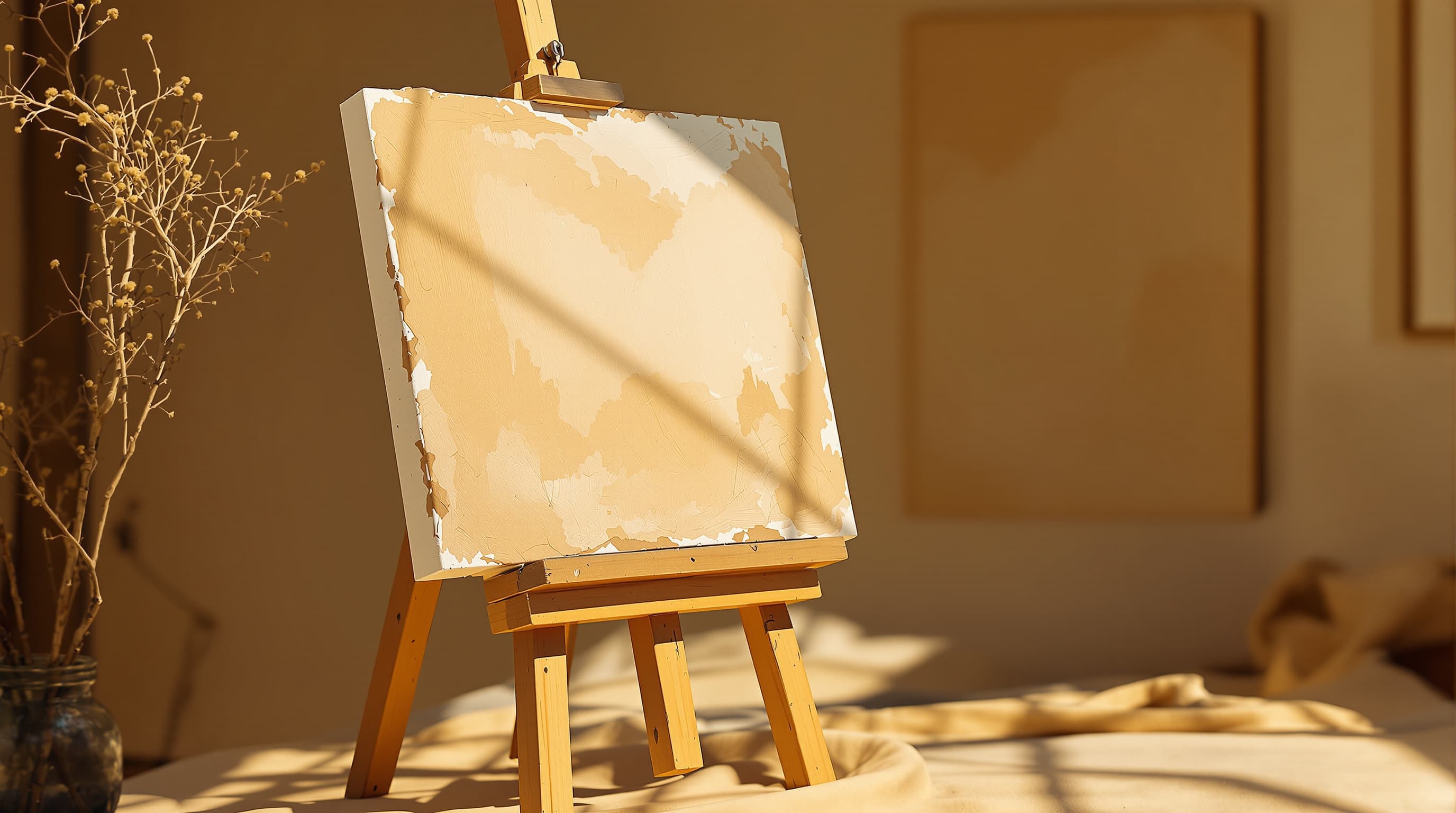
Quando lo stile di casa aiuta e quando ostacola
Tre lavori, e se questo è lo strumento giusto
Dove è chiaramente la scelta migliore
Moodboard, concept art, illustrazione editoriale, copertine di libri, artwork per album — ovunque “d’impatto” sia la specifica reale e nessuno obietti che l’architettura è impossibile.
È anche la via più rapida da un’idea vaga a qualcosa di valido. Un modello con gusto batte uno letterale quando non sa ancora descrivere cosa vuole.
- Prompt brevi restituiscono immagini forti.
- Ideale per esplorare più che eseguire.
- L’estetica fa il lavoro per Lei.
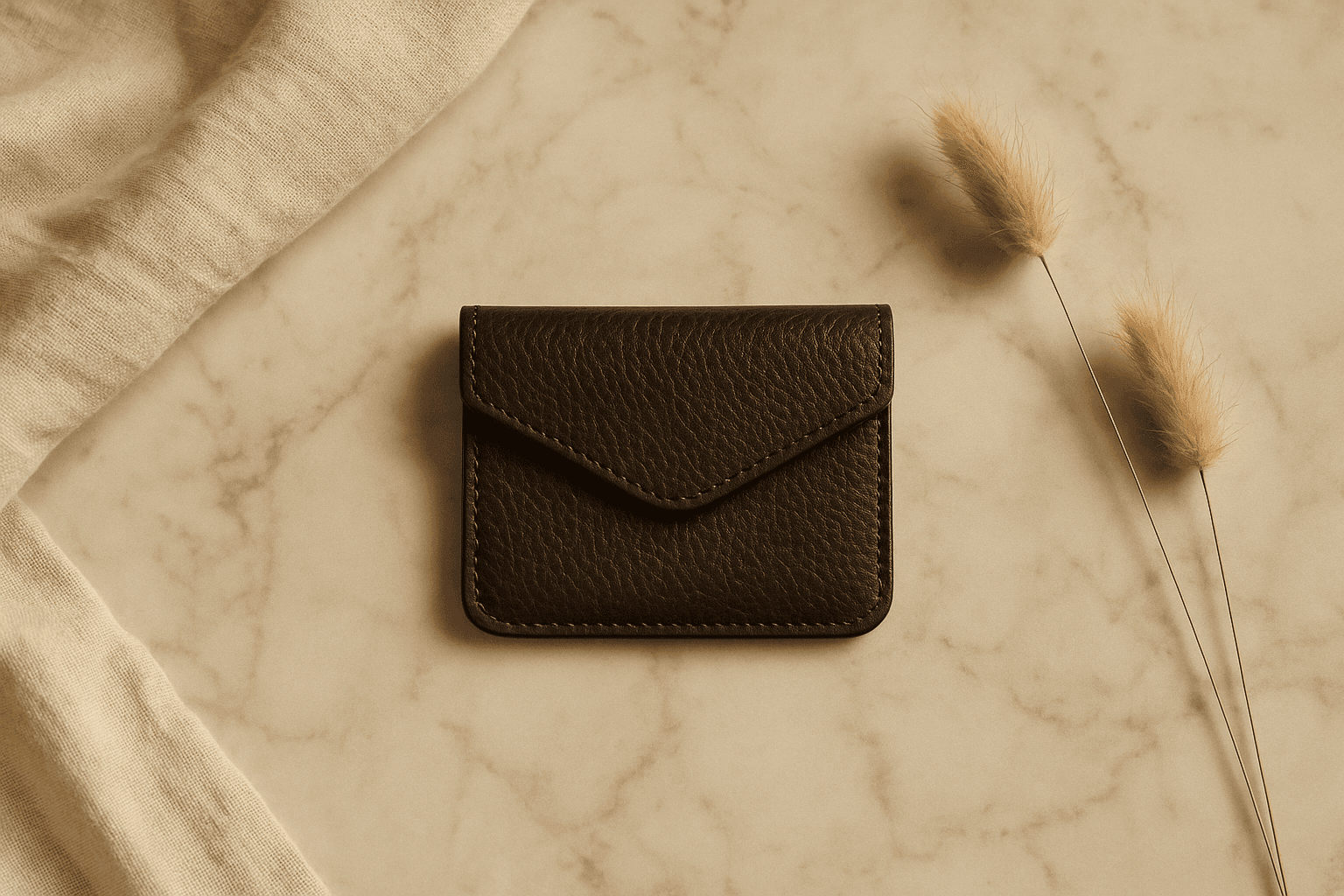
Dove di solito intralcia
Uno scatto prodotto deve far sembrare il prodotto esattamente se stesso, in genere su qualcosa di semplice. Questo modello cerca l’atmosfera, e l’atmosfera è l’opposto di uno scatto pulito da catalogo.
Ottenere un risultato neutro significa discutere con la taratura invece di istruire il modello, il che è lento e poco affidabile.
- L’accuratezza non è ciò per cui ottimizza.
- Per sfondi semplici bisogna “combatterlo”.
- Un modello letterale si adatta meglio.
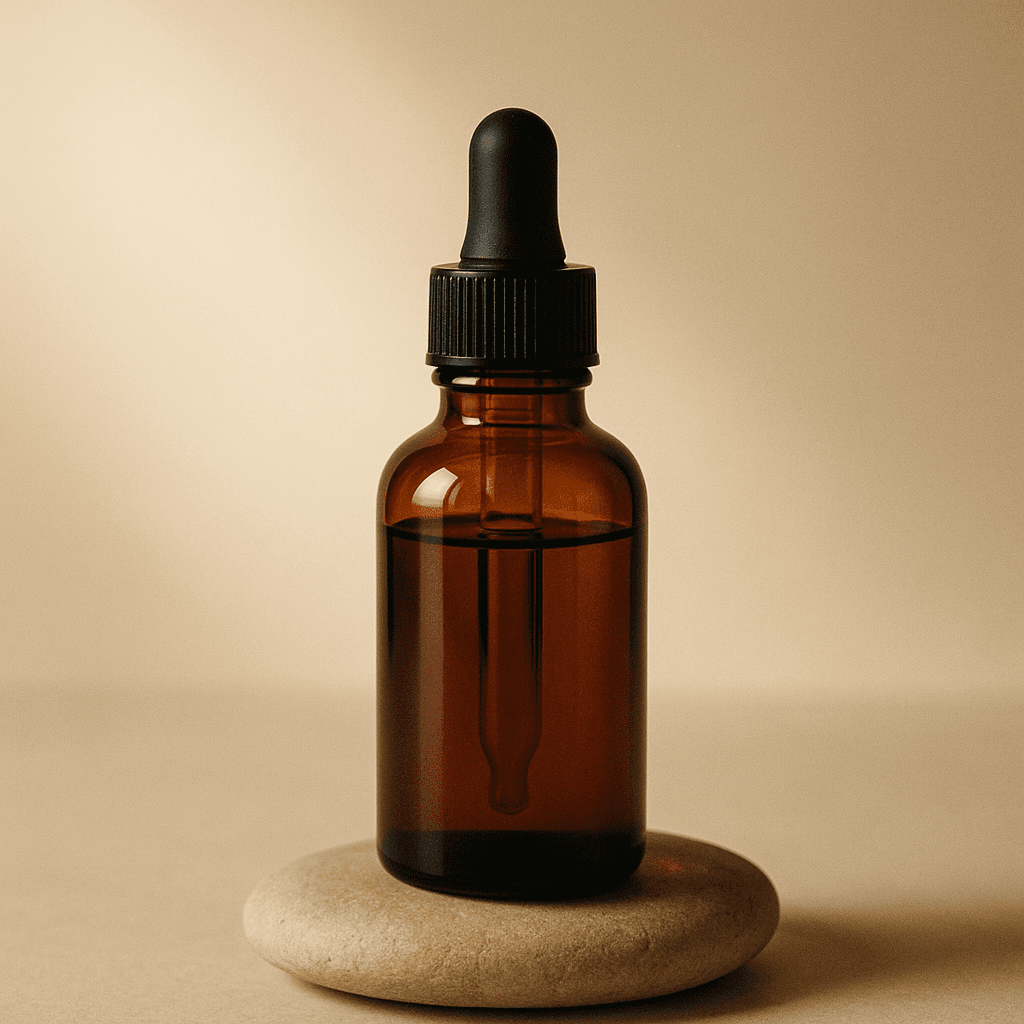
Dove il rischio è la deriva tra versioni
Versioni successive spostano lo stile di casa. Immagini che l’anno scorso poteva produrre con affidabilità oggi potrebbero non essere riproducibili, e non esiste una versione precedente su cui ripiegare.
Se un look entra in un sistema di marca che va mantenuto, questa dipendenza pesa sulla decisione.
- Nessun blocco di versione.
- Lo stile cambia tra le release.
- Preveda che il look cambi.

Domande su Midjourney
Cosa si chiede chi valuta se lasciarla
Le questioni pratiche, incluse quelle in cui vince.
Perché tutte le mie immagini sembrano uguali?
Perché la taratura che fa funzionare bene i prompt brevi trascina anche ogni risultato verso un unico registro. Contrastarla richiede molto più lavoro di prompt di quanto la maggior parte si aspetti.
Posso ottenere un’immagine piana e neutra?
Con impegno, e raramente pulita quanto da un modello letterale. Se la maggior parte del Suo lavoro è neutra, sta usando lo strumento sbagliato per la maggior parte del Suo lavoro.
L’assenza di un’API è un vero problema?
Solo se deve generare in modo programmatico. Per una persona che crea immagini a mano è invisibile; per una pipeline di prodotto è un fattore escludente.
Cosa perdo passando ad altro?
Ciò in cui è davvero migliore — output d’impatto partendo da input minimi. Qualsiasi sostituto richiederà più lavoro di prompt per raggiungere lo stesso standard.
Gestisce bene il testo nelle immagini?
È migliorata insieme al resto, ma non è la più forte in questa directory su questo punto. Se la leggibilità delle lettere è centrale, vale la pena testare prima di impegnarsi.
Vale l’abbonamento?
Se crea immagini regolarmente e vuole che sembrino ragionate, in generale sì. Se le crea occasionalmente o le servono neutre, il valore è molto più debole.

Alternative, in base a ciò che Le è piaciuto
Dove andare se sta lasciando
Continui a esplorare
Altrove su LaFoto
Lavori diversi, strumenti diversi.
- ridimensioni un'immagine
- converta il formato di un'immagine
- compressore di immagini
- ritagli un'immagine
- palette colori dell'immagine
- rimuova uno sfondo
- visualizzatore EXIF
- strutturi un prompt
- crei arte anime
- trasformi una foto in cartoon
- stile pixel art
- migliori generatori di immagini AI
- LaFoto vs Midjourney
- confrontata con Leonardo
- confrontata con Ideogram
- LaFoto vs Canva
- che cos'è un seed
- che cos'è l'intensità del denoise
- che cos'è l'inpainting
- guide e spiegazioni
Midjourney — questions people ask
- Che cos’è Midjourney?
- Un servizio text-to-image chiuso, solo in abbonamento, noto per applicare un’estetica predefinita molto forte a qualunque richiesta.
- Midjourney è gratuito?
- No. L’accesso è tramite abbonamento a pagamento e non esiste un livello gratuito sostanziale.
- Serve ancora Discord per usare Midjourney?
- No. È nato come servizio solo su Discord e ora ha un’interfaccia web, che è ciò che usa la maggior parte delle persone.
- Posso eseguire Midjourney sul mio computer?
- No. I pesi sono chiusi e non esiste una versione locale. Tutto gira sulla loro infrastruttura.
- Perché le immagini di Midjourney sembrano tutte simili?
- Perché il modello è deliberatamente tarato verso un certo look — luce drammatica, profondità di campo ridotta, colore deciso. Quello stile proprietario è il prodotto, non un effetto collaterale.
- Midjourney è adatto alla fotografia di prodotto?
- In generale no. Privilegia l’atmosfera all’accuratezza, mentre un prodotto richiede che l’oggetto sembri esattamente sé stesso su uno sfondo neutro.
- Midjourney ha un’API?
- Storicamente non ha offerto una API pubblica generale, che è un limite strutturale per chi deve generare a volume in modo programmatico. Verifichi i termini attuali prima di basarci un flusso.
- Qual è l’alternativa principale a Midjourney?
- Dipende da che cosa Le è piaciuto. Per lo stesso impatto con più controllo, strumenti basati su FLUX; per modificare fotografie reali, Nano Banana di Google; per il controllo totale a costo di configurazione, Stable Diffusion.
Gli altri modelli nell’elenco
Cominci a creare oggi
Generi la Sua prima immagine con il miglior generatore di immagini AI.
Trasformi una frase in un’immagine finita e fotorealistica in pochi secondi — poi rifinisca ogni dettaglio. Nessuna configurazione, niente Discord, nessuna GPU.
Si unisca a 4200+ creator che usano LaFoto