Google · model directory
מהו Nano Banana? הסבר על מודל העריכה של Google
Nano Banana הוא הכינוי למודל התמונות Gemini של Google, שמיועד לעריכה שיחתית תוך שמירה על עקביות הנושא לאורך השינויים.
Nano Banana at a glance
- יוצר
- משפחה
- Gemini
- גישה
- אפליקציית Gemini ו-API
- מוכר בעיקר בזכות
- עריכה עקבית לדמויות
- משקולות
- סגור
- ממשק
- שיחתי
מאיפה הגיע השם
לא היה זה שם מוצר. מודל ללא תווית הופיע בזירות השוואה ציבוריות שבהן משווים פלטים אנונימיים מבלי לדעת מי הפיק אותם, תחת מציין המקום "nano banana". הוא ניצח פעמים רבות, אנשים שמו לב, והניחושים מי עומד מאחוריו נמשכו שבועות עד ש-Google אימתה זאת.
Google עשתה אז צעד חריג ושמרה על הכינוי, ולכן תשתית רצינית ידועה בציבור בשם היתולי. הזהות הרשמית היא מודל תמונות מסדרת Gemini; השם שאנשים מחפשים הוא הבננה.
ההיסטוריה הזו חשובה להבנה כי היא מסבירה מדוע המונח מתנהג בצורה מוזרה בחיפוש. העניין הגיע לפני השיווק, ולכן השאלות שאנשים שואלים הן של שמועה — מה זה, מי יצר את זה, האם זה אמיתי — ולא של מוצר.
מה בפועל הוא עושה אחרת
רוב המודלים לתמונות נבנים סביב יצירת תמונה מתיאור. Nano Banana נבנה סביב שינוי תמונה קיימת, והחלק הקשה הוא כל מה שלא ביקשתם לשנות.
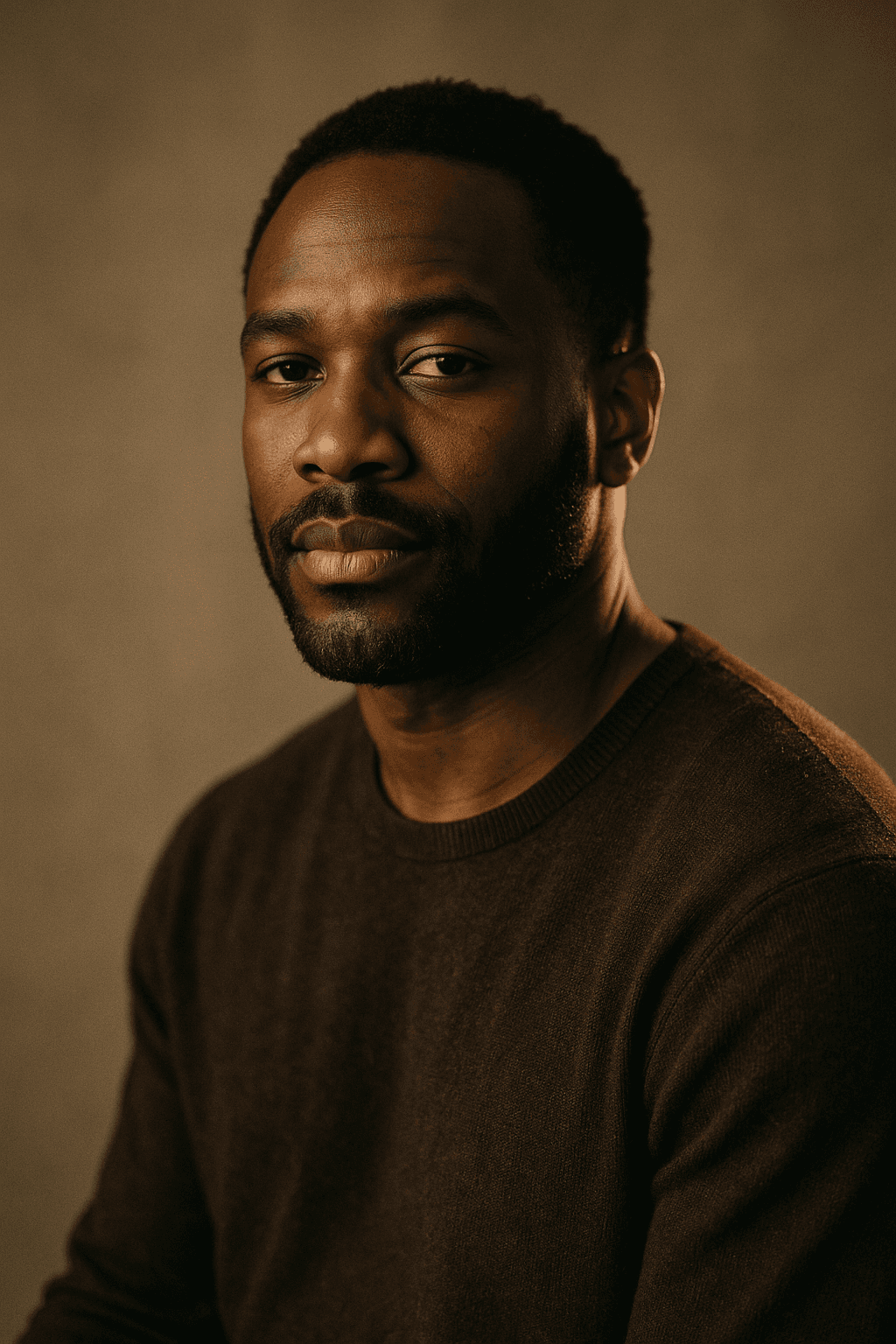
אם תבקשו ממודל כללי להלביש את האדם שבתצלום במעיל אדום, בדרך כלל תקבלו אדם במעיל אדום שאינו בדיוק אותו אדם — קו לסת מעט אחר, מרווח עיניים שונה, פנים שנראות כמו אח. הזהות שורדת עריכה אחת ומתנוונת בכמה. הדבר ש-Nano Banana נבנה לשמר הוא אותה זהות, לאורך סדרה של הוראות עוקבות.
מודל האינטראקציה נגזר מכך. אינכם כותבים prompt יחיד ומקבלים מה שחוזר; אתם מנהלים שיחה שבה כל סבב מכוון את התוצאה הקודמת. הזיזו את האור. עכשיו ערב. עכשיו הוציאו אותו החוצה. הלולאה הזו היא המוצר.
למה הוא טוב בפועל
לכל מצב שבו אותו נושא חייב להופיע יותר מפעם אחת. צילום מוצר בכמה סטים, דמות ברצף פאנלים, סט וריאציות על דיוקן אחד, מוקאפים שצריכים להראות חדר אחד בארבע סכמות צבע.
הוא גם סלחני מהרגיל כלפי מי שלא רוצים ללמוד תחביר prompt. מאחר שההוראה היא עריכה ולא מפרט, משפטים פשוטים עובדים, וכאשר הבקשה עמומה, הכשל הוא שינוי קטן — לא תמונה לא-מוכרת.
היכן שהוא מתאים פחות הוא מקרה הדף הריק. כשאין תמונת מקור ואין נושא לשמר, מנגנון העקביות אינו נדרש, ומודלים שנבנו ל-text-to-image נותנים בדרך כלל יותר שליטה על פריימינג, אופטיקה וסגנון מנקודת התחלה ריקה.
איך הוא ממוקם מול חלופות
מול Midjourney, הקו המפריד הוא מחברוּת אסתטית. Midjourney מטיל סגנון בית חזק ומשמש בדרך כלל ליצירת משהו בולט; Nano Banana מנסה להשאיר את התמונה כפי שהיא מחוץ למה שביקשתם. האחד סטייליסט, השני ריטאצ’ר.
מול המודלים הפתוחים — Stable Diffusion ו-FLUX — ההבדל הוא היכן שוכנת השליטה. משקולות פתוחות מאפשרות לחבר ControlNet, LoRA ושרשראות inpainting להשגת שליטה מדויקת במחיר הרכבת הצנרת. Nano Banana מציב פרוסה צרה יותר של אותה שליטה מאחורי משפט, שמספקת תוצאה מהר יותר וקשה יותר לפרוץ את גבולותיה.
מול gpt-image-1, הדמיון גדול יותר מאשר לכל דבר אחר: שניהם סגורים, מצייתי-הוראות, מונעי שיחה ומחוברים לאסיסטנט גדול. ההבדל המעשי שרבים מדווחים עליו הוא מי משמר פנים טוב יותר לאורך כמה סבבים, ושווה לבדוק זאת על החומר שלכם במקום להסתמך על טבלת דירוגים.
מה הקשר ל-LaFoto
אין קשר מסחרי — אין לנו שיתוף פעולה עם Google ואיננו משווקים את המודל שלה. הדף הזה קיים משום שאנשים שואלים מה זה, והתשובה הכנה קצרה, ומדריך שמתאר רק את המודלים שאנחנו אוהבים אינו מדריך.
שווה לקרוא לצד דפי העריכה כאן, כי הלקסיקון עובר ביניהם. מה ש-Nano Banana עושה בשיחה, האקוסיסטם הפתוח עושה בטכניקות בעלות שם: inpainting לשינוי בתוך מסכה, outpainting לשינוי מעבר לפריים, ו-denoise strength עד כמה מותר לתוצאה לסטות מהמקור. היכרות עם המונחים האלה מבהירה בהרבה מה כל עורך עושה — ומה לא.
עריכה לעומת יצירה
הבעיה שלשמה הוא נבנה
בקשו מכל מודל תמונה כללי לשנות פרט אחד בתצלום של אדם, וברוב המקרים תחזרו עם אדם שהוא כמעט נכון. הלסת זזה, העיניים יושבות אחרת, והפנים נקראות כקרוב משפחה ולא אותו אדם. עריכה אחת עוד מחזיקה; ארבע ברצף כבר לא.
שמירת זהות קבועה בזמן שכל מה שביקשתם משתנה היא אתגר הנדסי ספציפי, וזהו הכיוון שהמודל הזה מכוון אליו. לכן מתארים אותו כעורך ולא כיוצר — אף שהוא יודע לעשות את שניהם.
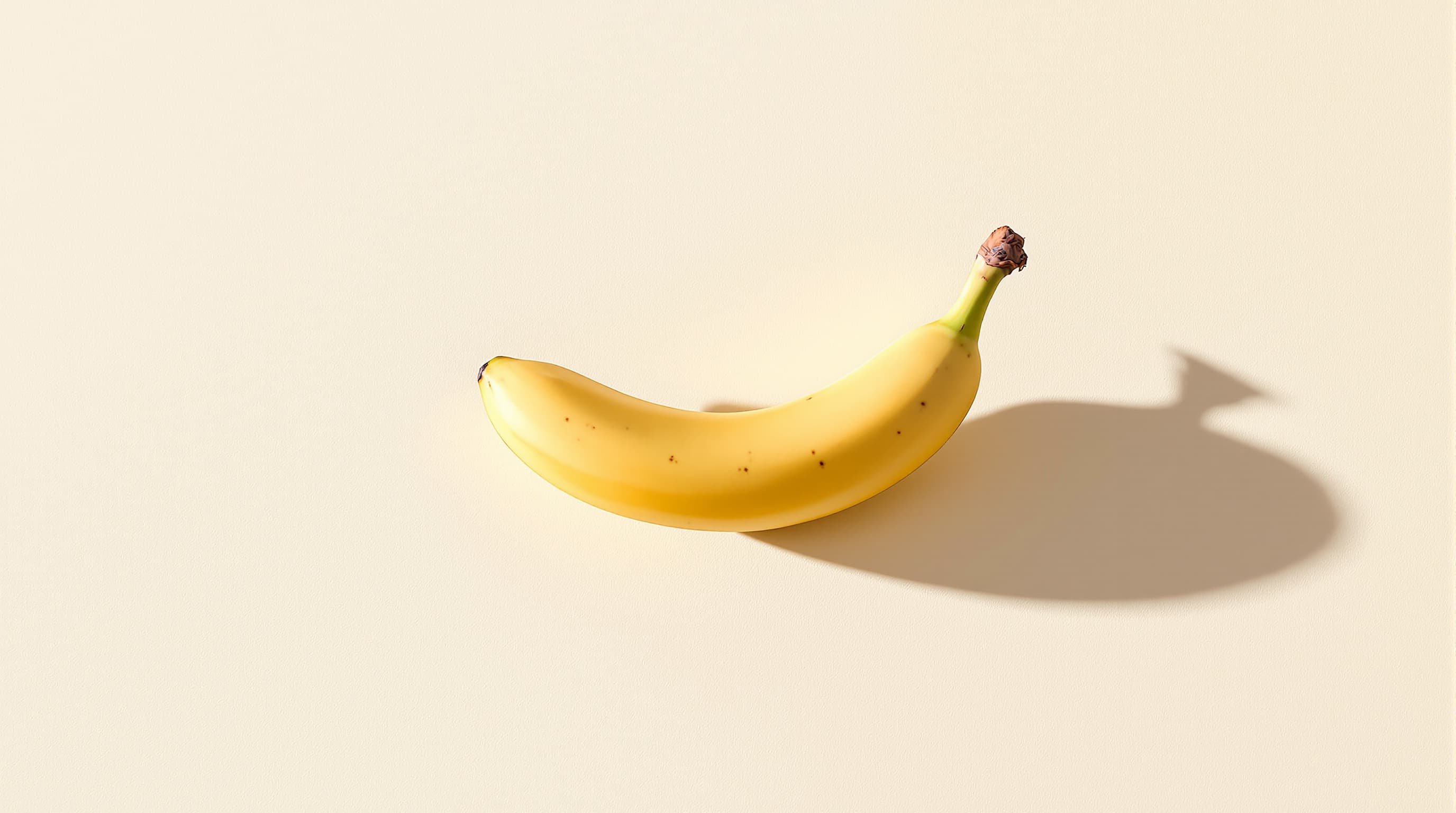
שלושה שימושים אמיתיים
כאשר נדרשת עקביות בין תמונות
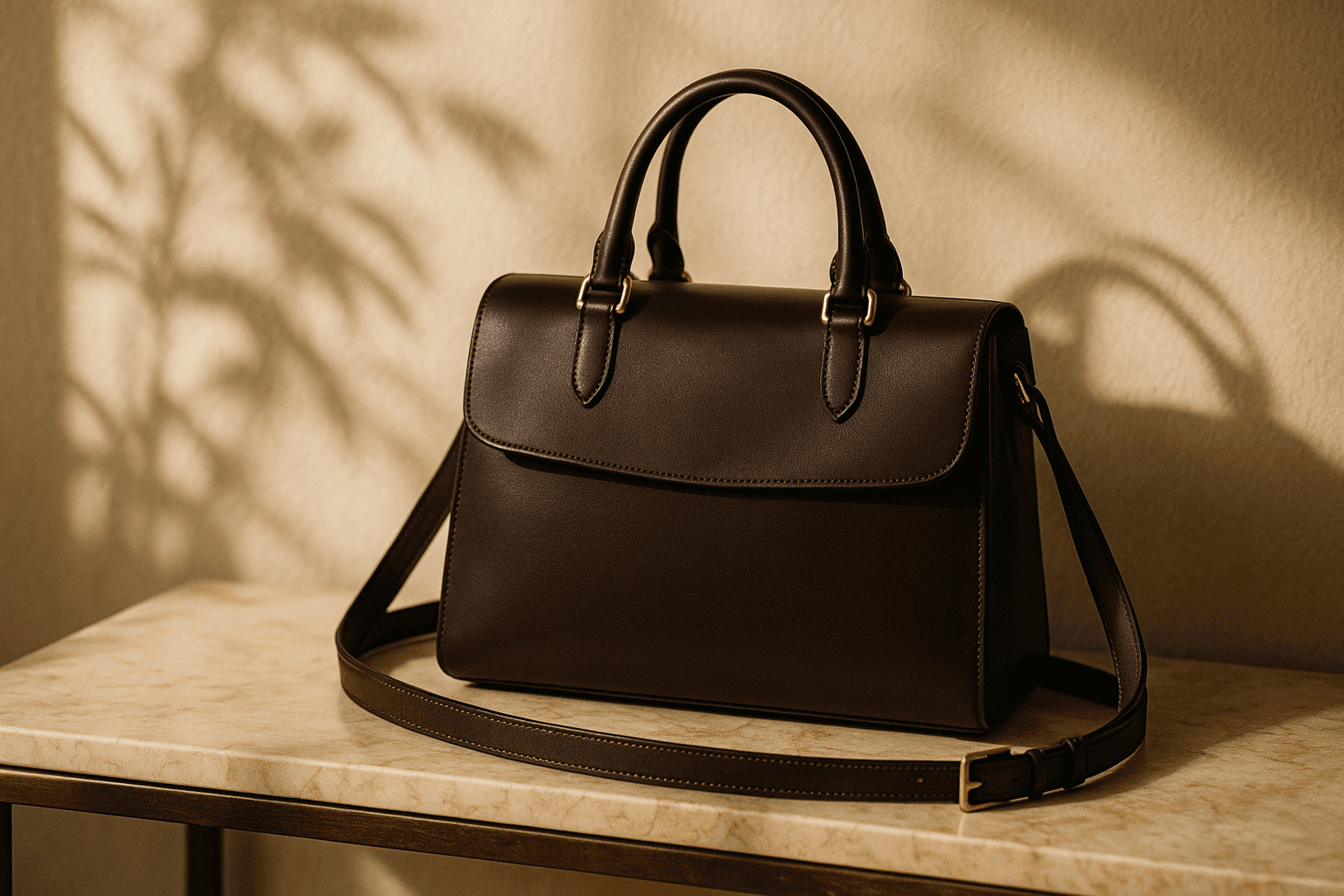
אותו אובייקט בשישה סטינגים
מוצר שצולם פעם אחת, ואז הונח על שיש במטבח, על שולחן בבית קפה, על ספסל בחוץ ועל רקע סטודיו — ונשאר אותו אובייקט מזוהה בכל התמונות.
יוצר שיתבקש לאותו מוצר שש פעמים יחזיר שישה מוצרים דומים. ההבדל הזה הוא כל הטיעון המסחרי לטובת מודל עריכה.
- מצלמים פעם, ממקמים פעמים רבות.
- האובייקט צריך לשרוד את החלפת הסצנה.
- בדקו תווית ולוגו בכל פלט.
עבודה סדרתית שחייבת להישאר קוהרנטית
קומיקס, סטוריבורד, רצפים מסבירים וספרי ילדים נופלים באותו מקום: הדמות מפסיקה להיות אותה דמות עד פריים חמש.
במערכת האקולוגית הפתוחה פותרים זאת באימון LoRA. עורך שיחתי מגיע למקום דומה בלי לאמן כלום, במחיר שליטה פחות מדויקת.
- אין שלב אימון.
- סטייה עדיין מצטברת בריצות ארוכות.
- עיגון מחדש לתמונת המקור מדי פעם.
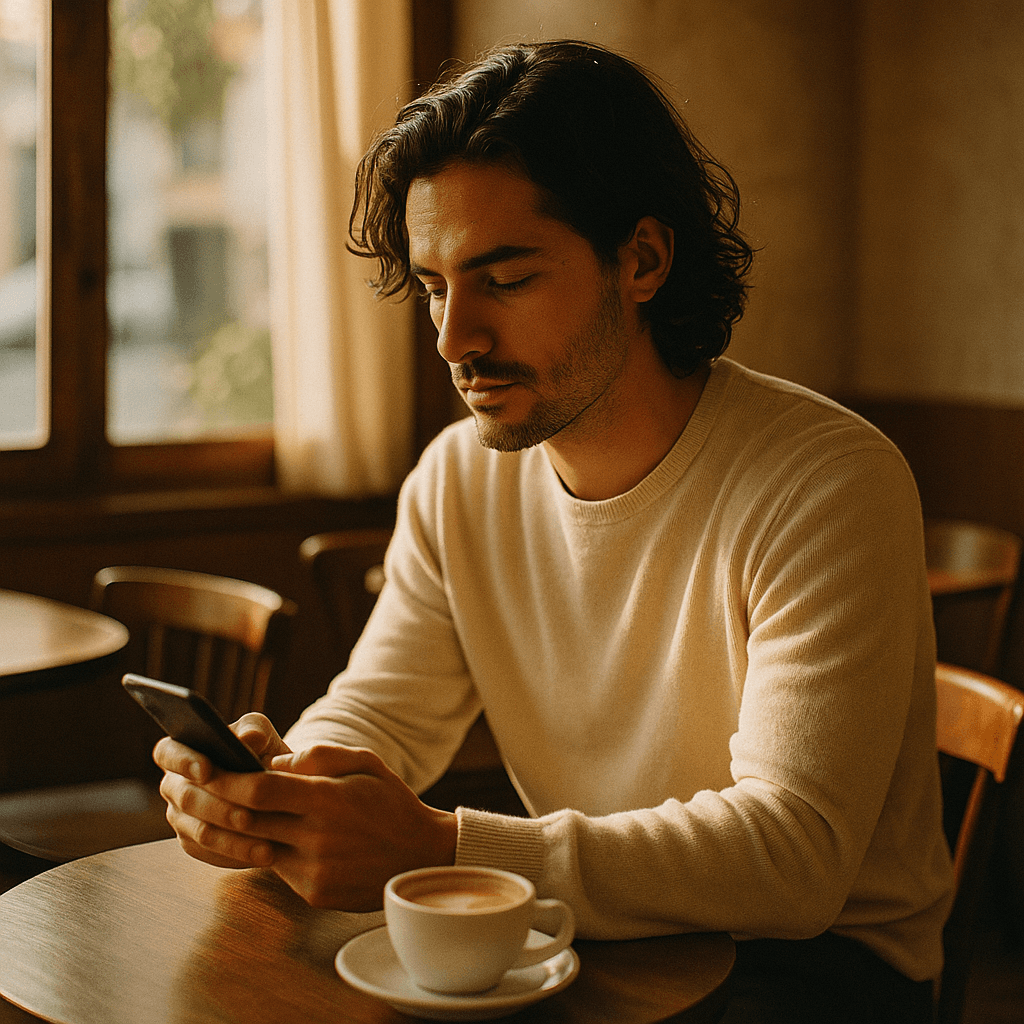
אופציות מתמונה שכבר יש לכם
פורטרט אחד שנלקח לכמה סידורי תאורה, רקעים או לבוש — כדי שלקוח יוכל לבחור, בלי להזמין שוב סטודיו.
המגבלה הכנה: אף אחת מהגרסאות אינה צילום של דבר אמיתי. אלו חלופות סבירות — מצוין ללוח השראה, לא מתאים לתיעוד.
- מהיר יותר מצילומים חוזרים לצורך חקירה.
- לא תחליף לצילום אמיתי.
- לעולם לא למסמכי זיהוי.
שאלות על Nano Banana
מה שואלים אחרי הסשן הראשון
הדברים שעולים כשאפקט החדש מתפוגג.
למה הפנים בכל זאת זולגות בסוף?
כל עריכה מותנית בתוצאה הקודמת ולא במקור, ולכן שגיאות קטנות מצטברות. הזנה מחדש של תמונת המקור כל כמה סבבים מאפסת את הרפרנס ועוצרת את ההחלקה האיטית.
האם אפשר לקבל אותה תוצאה פעמיים?
לא בצורה אמינה. עריכה שיחתית אינה חושפת seed כמו צנרת פתוחה, וזהו המחיר הכללי עבור ממשק פשוט כל כך.
האם זה עדיף על inpainting?
זה קל יותר. inpainting עם מסכה מפורשת נותן שליטה מדויקת אילו פיקסלים רשאים להשתנות; משפט נותן למודל את שיקול הדעת הזה. עבודת דיוק עדיין רוצה מסכה.
האם אפשר לעבוד מכמה תמונות רפרנס?
שילוב רפרנסים הוא בקשה נפוצה והתמיכה משתנה לפי ממשק וגרסה. בדקו על החומר שלכם במקום להסתמך על תיאור מצד שלישי.
במה הוא חלש?
להתחיל מכלום. בלי תמונת מקור, למנגנון העקביות אין מה לשמר, ומודלים שנבנו ליצירה מטקסט נותנים יותר שליטה על פריימינג ואופטיקה.
האם זה עובד גם על אובייקטים לא-אנושיים?
כן, ולעיתים אף באמינות גבוהה יותר — מוצר או בניין מכילים פחות מאפיינים שהצופה בוחן בזכוכית מגדלת מאשר פנים אנושיות.
המשיכו לחקור
במקומות אחרים ב-LaFoto
עריכה היא תפקיד אחד. אלה היתר.
- מחליף גודל תמונה בחינם
- JPG, PNG ו-WebP
- דוחס תמונות
- חיתוך תמונה
- פלטת צבעים מהתמונה
- הסרת רקע
- בדיקת נתוני EXIF
- מבנה prompt
- מחולל אנימה AI
- הפכו תמונה לקריקטורה
- מחולל פיקסל-ארט
- המחוללים הטובים ביותר לתמונות AI
- LaFoto מול Midjourney
- חלופה ל-Leonardo AI
- בהשוואה ל-Ideogram
- LaFoto מול Canva
- שחזור תמונה
- מהי denoise strength
- הסבר על inpainting
- מדריכים והסברים
Nano Banana — questions people ask
- מהו Nano Banana?
- הכינוי — שכעת משמש רשמית — למודל יצירה ועריכת תמונות ממשפחת Gemini של Google. הוא בנוי לעריכה שיחתית ששומרת על עקביות הנושא לאורך שינויים עוקבים.
- מי יצר את Nano Banana?
- Google. הוא חלק ממשפחת Gemini.
- למה קוראים לזה Nano Banana?
- הוא הופיע בעילום שם בזירות השוואת מודלים ציבוריות תחת שם מציין מקום זה, הציג ביצועים חזקים, והכינוי דבק. Google אימצה אותו במקום להילחם בו.
- האם Nano Banana הוא קוד פתוח?
- לא. המשקולות סגורות והגישה מתבצעת דרך האפליקציה וה-API של Google.
- במה Nano Banana מצטיין?
- בעריכת תמונה קיימת תוך שמירה על זיהוי הנושא — אותן פנים לאורך כמה שינויים עוקבים, נקודה שבה רוב המודלים לתמונות מאבדים עקביות אחרי אחד או שניים.
- האם Nano Banana טוב יותר מ-Midjourney?
- אלה תפקידים שונים. Midjourney מטיל אסתטיקה חזקה ומשמש ליצירת תמונות בולטות מכלום; Nano Banana מנסה לשנות רק מה שביקשתם ולהשאיר את שאר הצילום האמיתי כפי שהוא.
- האם Nano Banana יכול ליצור תמונות מטקסט בלבד?
- כן, אך זה אינו היתרון המרכזי שלו. היכולת המבדילה היא שימור נושא לאורך עריכות, דבר שדורש תמונת מקור לשמר.
- האם LaFoto משתמשת ב-Nano Banana?
- לא, ואין לנו כל שיוך ל-Google. דף זה הוא חומר עזר במדריך המודלים שלנו.
התחילו ליצור היום
צרו את התמונה הראשונה שלכם עם מחולל התמונות הטוב ביותר ב-AI.
הפכו משפט לתמונה מוגמרת ופוטוריאליסטית בשניות — ואז לַטְּשׁוּ כל פרט. בלי התקנות, בלי Discord, בלי GPU.
הצטרפו ל-4,200+ יוצרים שמשתמשים ב-LaFoto