AI Interior Design
AI Interior Design: restyle a room you can photograph
Start free — no credit card.


Why starting from a photograph beats generating a room
A generated room is a room that does not exist, in a house you do not own, with a window where you do not have one. It is inspiration and nothing more. Restyling your own photograph keeps the architecture fixed, so what you are looking at is a decision you could actually make.
This is image-to-image, and denoise strength is the control that matters. Low values change surfaces and furnishing while holding the structure; push it high and the model starts moving your windows, which is the point at which the output stops being about your room.
Photographing a room so the restyling works
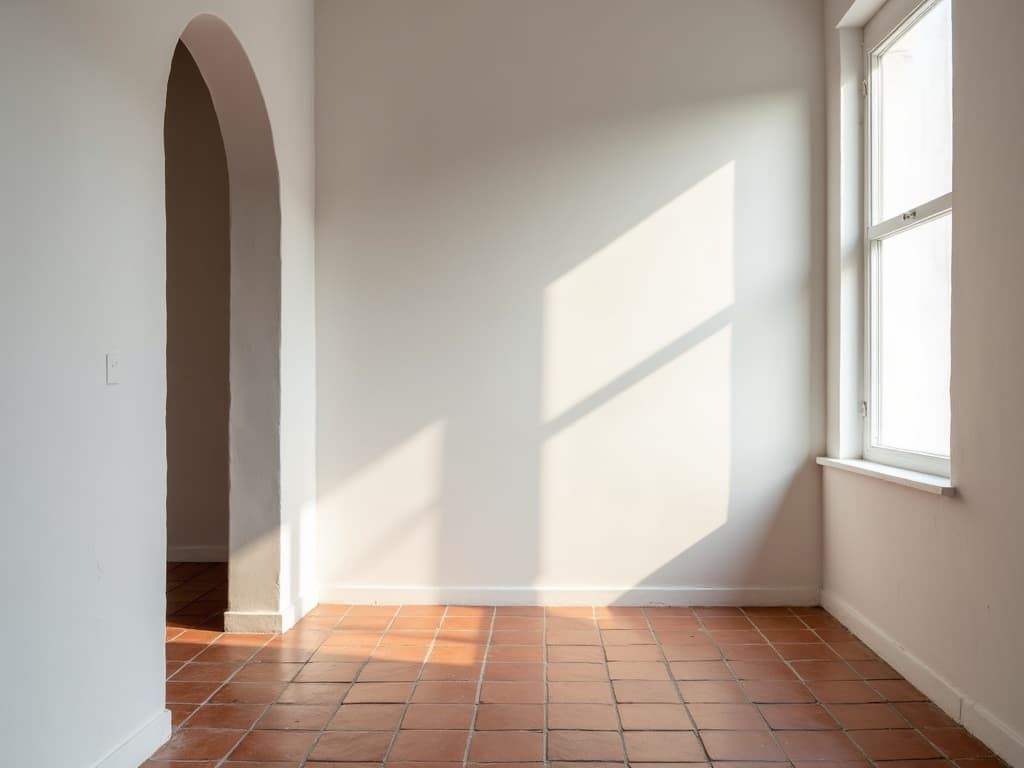
Shoot from a corner at chest height with the camera level. Tilting produces converging verticals that the model then has to interpret, and the result inherits the distortion. A level camera in a corner captures two walls and the floor, which gives the model enough geometry to preserve.
Shoot in daylight with the lights off if you can. Mixed lighting — daylight through a window against warm bulbs — gives the room two colour temperatures at once, and a restyle will amplify that inconsistency rather than resolve it.
The vocabulary interior work responds to
Name the period and the materials rather than a feeling. Mid-century modern means teak, tapered legs, low profiles and a restrained palette. Japandi means pale wood, matt finishes, negative space and few objects. Each is a specific set of physical choices the model has learned.
Then state the light separately: north-facing and cool, or south-facing and warm, morning or evening. Interior photography is dominated by light temperature, and it is the single change that most alters how a palette reads on your walls.
What it is genuinely good for, and what it is not
It is good for narrowing choices before you spend: testing four palettes on your actual walls, seeing whether a large rug closes the space or opens it, checking whether dark cabinetry reads as cosy or cramped in your particular light.
It is not a measurement tool and it will not tell you whether a sofa fits. Nothing in the output is dimensionally accurate, and a generated room can happily show furniture that could not physically pass through your door. Use it to decide what you want, then measure.
How it works
AI Interior Design
- 01
Photograph the room properly
From a corner, camera level at chest height, daylight with the lights off, capturing two walls and the floor.
- 02
Restyle at low strength first
Start around 0.4 so the architecture holds. Raise it only if the surfaces are not changing enough.
- 03
Name period, material and light
Mid-century teak, Japandi pale wood, north-facing cool light. Physical terms, not moods.
What people use the ai interior design for
Before a renovation
Compare directions on the real room rather than on a showroom that shares none of its proportions.
Choosing paint
See a colour on your own walls in your own light, which is where paint chips consistently mislead.
Staging for sale
Show an empty or dated room as it could be, clearly labelled as a visualisation rather than a photograph.
Briefing a designer
Bring three restyled versions of your actual room instead of a folder of other people's houses.
Frequently asked questions
- Is the AI interior design tool free?
- Yes, restyling runs on the free path with no watermark on the download. Higher resolutions and longer batches sit in the paid tier.
- Does it keep my room's actual layout?
- At low denoise strength, yes — walls, windows and proportions hold while surfaces and furnishing change. Push the strength high and the model begins moving structural elements, which defeats the purpose.
- How should I photograph the room?
- From a corner, camera level at chest height, in daylight with the lights off. Tilting the camera creates converging verticals the restyle will inherit and amplify.
- Can it tell me whether furniture will fit?
- No. Nothing in the output is dimensionally accurate, and a generated room can show furniture that would not physically fit through your door. Decide the look here, then measure.
- What design styles work best?
- Named periods with real material vocabulary — mid-century modern, Japandi, brutalist, cottage, industrial. Each carries specific materials, proportions and palettes the model has genuinely learned.
- Can I use it for property listings?
- Only with a clear label that the image is a visualisation. Presenting a restyled room as a photograph of the property is misrepresentation, and several jurisdictions treat it as such.
- Why did the restyle change my windows?
- Denoise strength was too high. Above roughly 0.6 the model treats structure as negotiable. Drop it and the architecture returns.
- Can it design a room from scratch?
- It can generate one, but a room that does not exist is inspiration rather than a decision. The value here is in restyling a space you actually have.
Keep exploring
More from LaFoto
AI Interior Design in the gallery
Real prompts, models and seeds — open any to see how it was made.
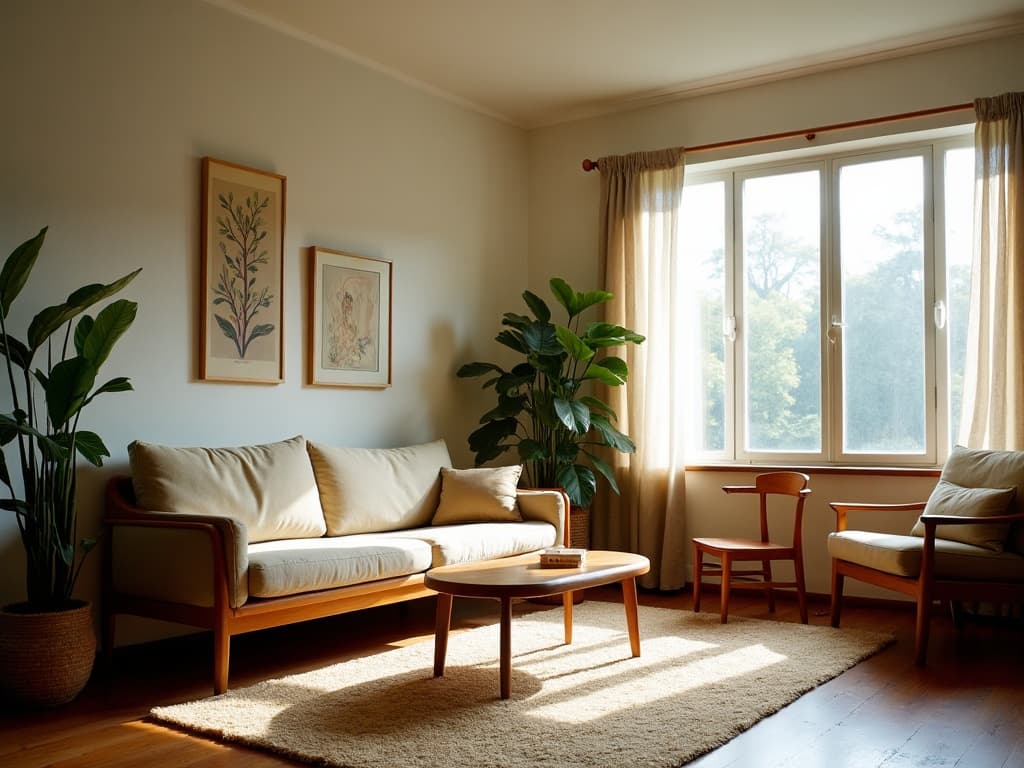
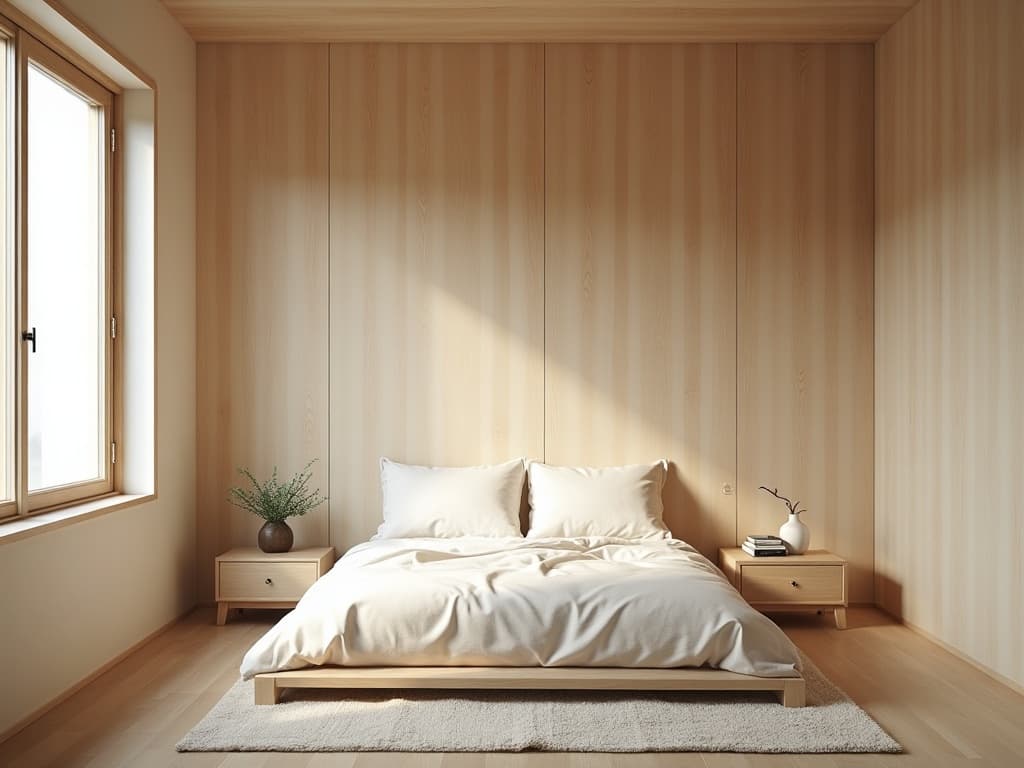
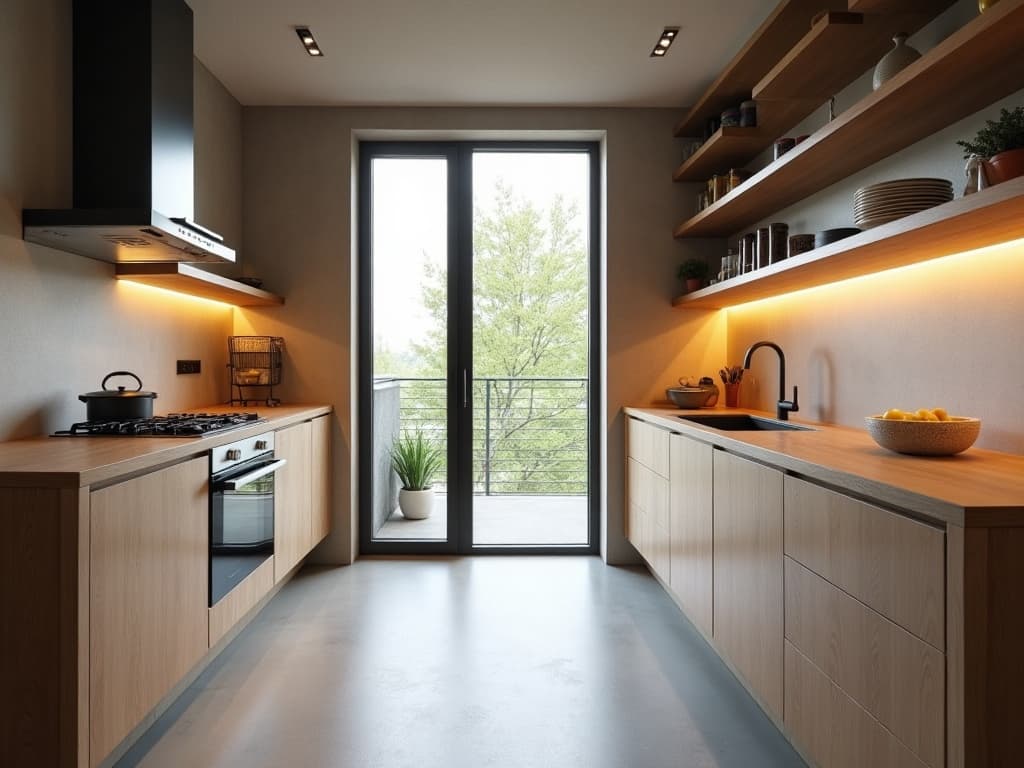
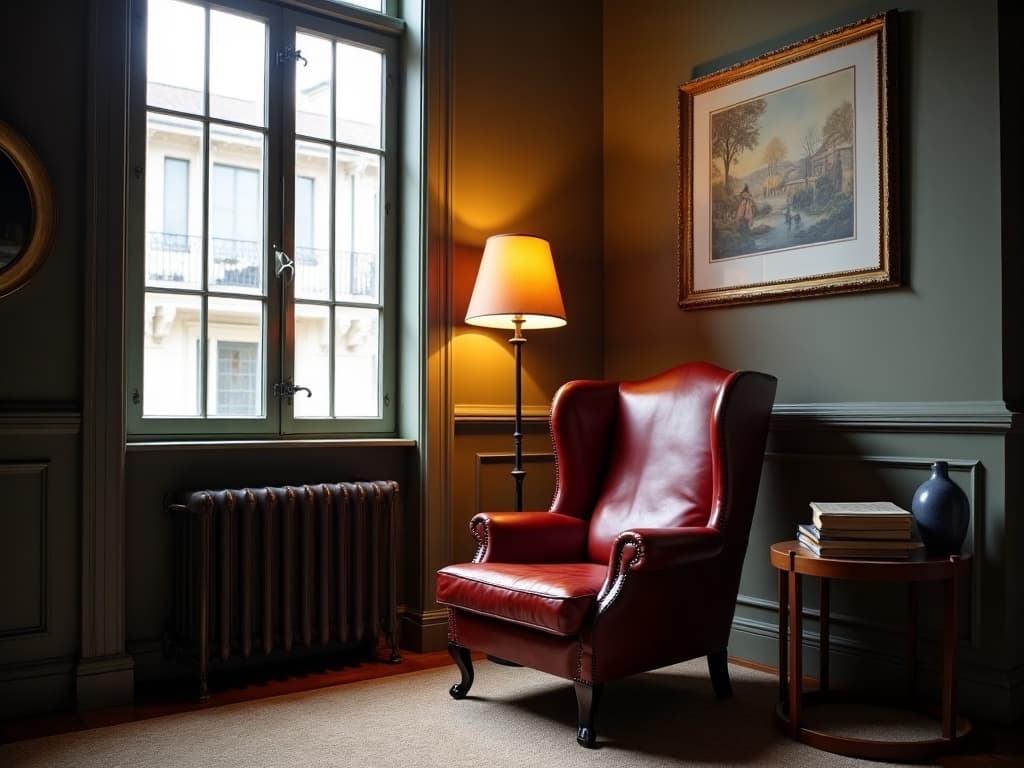
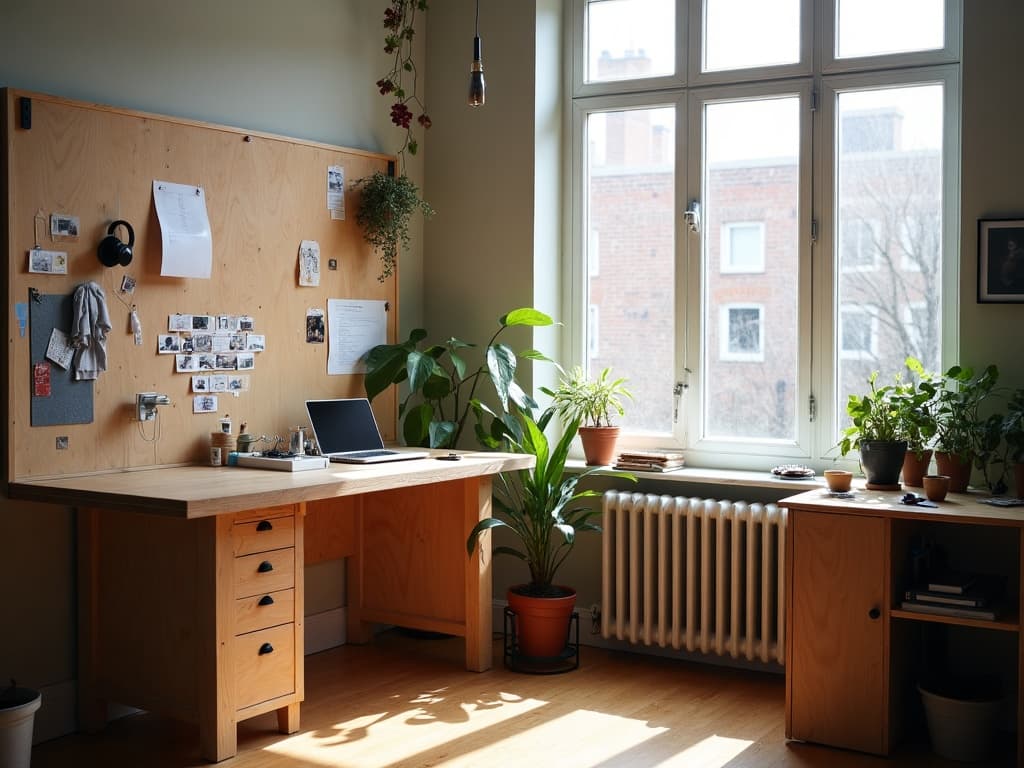
AI interior design at a glance
- Method
- Image-to-image on your own photograph
- Preserves
- Walls, windows and proportions at low strength
- Changes
- Furniture, palette, materials, light
- Not
- A measurement or planning tool
- Watermark
- None on the download
- Free tier
- Yes
In practice
Restyling your room beats generating someone else's
A generated room is a room that does not exist, with a window where you do not have one. Restyling your own photograph keeps the architecture fixed, so you are looking at a decision you could actually make rather than at inspiration.
Denoise strength is the control. Below about 0.5 the structure holds while surfaces and furnishing change; above it the model starts relocating your windows, at which point the output stops being about your room at all.
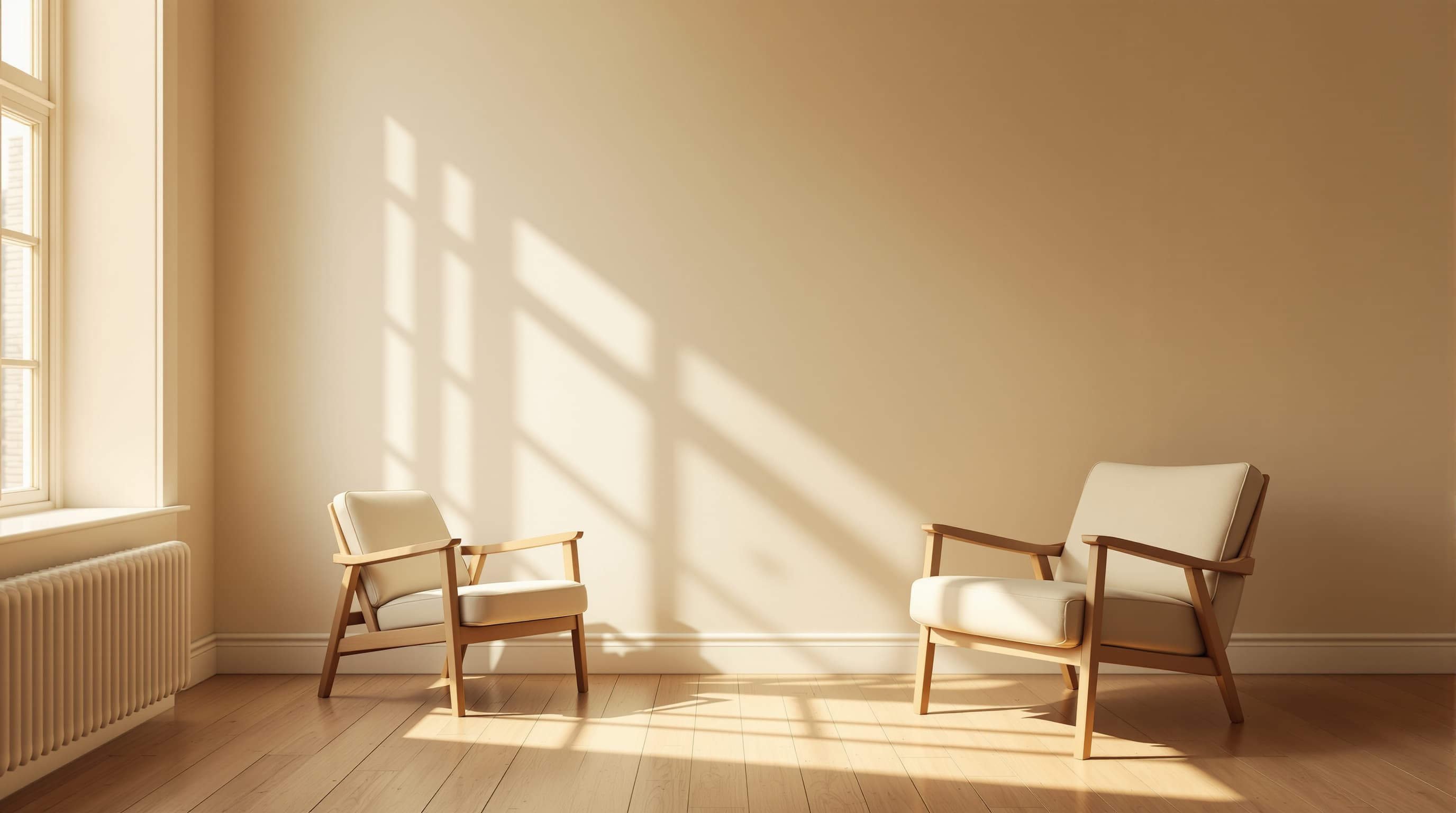
Three ways in
What are you deciding?
Testing colour on your own walls
Paint chips mislead because they are small and lit differently from your room. Seeing a colour across your actual walls in your actual light is a genuinely better test.
- Test in both morning and evening light.
- Large areas read darker than a chip suggests.
- Check it against your existing floor.

Scale and arrangement
Whether a large rug opens the room or closes it, whether a sectional overwhelms the space. Useful for deciding, useless for measuring.
- Nothing in the output is dimensionally accurate.
- Decide the look, then measure the doorway.
- Test one large change rather than five small ones.

Committing to a direction
Mid-century teak and tapered legs, Japandi pale wood and negative space, industrial steel and brick. Named periods carry real material vocabulary the model has learned.
- Name materials, not moods.
- Period carries palette and proportion together.
- Mixing two periods usually reads as neither.

Detail
Interior restyling questions
What it decides well and what it cannot answer.
Whether it keeps your layout
At low denoise strength, yes. Above roughly 0.6 the model treats structure as negotiable and windows begin to move.
Whether furniture will fit
No. Nothing in the output is dimensionally accurate. Decide the look here and measure separately.
Using it for property listings
Only with a clear label that it is a visualisation. Presenting a restyled room as a photograph of the property is misrepresentation.
How to photograph the room
From a corner, camera level at chest height, daylight with the lights off, capturing two walls and the floor.
Whether it can design from scratch
It can generate a room, but a room that does not exist is inspiration. The value is in restyling one you have.

Related
Tools that pair with interior work
Keep exploring
Elsewhere on LaFoto
Rooms are one subject. These cover the others.
- resize to exact pixels
- JPG, PNG and WebP
- shrink a file size
- image cropper
- image colour palette
- cut out a subject
- read photo metadata
- AI prompt generator
- anime image style
- cartoon AI generator
- make pixel art
- which generator to pick
- compared with Midjourney
- compared with Leonardo
- LaFoto vs Ideogram
- LaFoto vs Canva
- seeds explained
- denoise strength explained
- editing inside a mask
- guides and explainers
AI Interior Design at a glance
- Runs in
- Your browser — nothing to install
- Account
- Not required to start
- Watermark
- None on the download
- Output
- PNG, JPEG or WebP
- Commercial use
- Permitted under plain-language terms
- Training
- Your images are never added to a training set
Keep exploring
Tools that work with the ai interior design
Every one runs on the same engine, so a result moves between them without re-uploading.
Start creating today
Generate your first image with the best AI image generator.
Turn a sentence into a finished, photorealistic image in seconds — then refine every detail. No setup, no Discord, no GPU.
Join 4,200+ creators using LaFoto