Free tool
Image to PDF — Convert JPG & PNG to PDF Free
Combine images into a single PDF — in your browser, nothing uploaded.
What this tool does
Need an image to PDF converter that does not ask you to upload anything? This one reads your files directly in the browser and writes the PDF on your own machine. Nothing is sent to a server, which matters more than usual here because the things people convert to PDF are passports, contracts, receipts and medical forms.
Add several images and they become a multi-page PDF in the order you arrange them. Reorder with the arrows, remove anything you did not mean to include, and the page order in the file matches what you see.
Page size is a real choice rather than a default. Fit to image gives each page the proportions of its own picture, which suits a photo album or a set of screenshots. A4 or US Letter centres each image on a standard page with a margin you control, which is what you want when the PDF will be printed or attached to an application.
Images are contained, never cropped. A converter that silently trims edges to fill a page is a genuine hazard on exactly this kind of document, so this one always fits the whole image inside the page and adds whitespace instead.
How to use it
How to convert images to PDF
- 01
Add your images
Drop in JPG, PNG or WebP files. Add several to build a multi-page PDF; each image becomes one page.
- 02
Put them in order
Use the arrows to reorder and the cross to remove. The order shown is the page order in the finished PDF.
- 03
Choose a page size
Fit to image keeps each picture's own proportions. A4 or Letter centres the image on a standard page with an adjustable margin.
- 04
Download
The PDF is written in your browser and saved straight to your device. Nothing is uploaded at any point.
For AI photo creators
Turning a folder of JPGs into one PDF is a packaging job — the images already exist and just need a container someone can email, print or file. This converter handles that half locally, so a scanned form or an ID photo never leaves the machine it was taken on.
The other half is having something worth packaging. LaFoto is an AI image generator that creates original images from a written description, so the illustration, mockup or product shot you needed can be made rather than hunted for, then dropped straight into a PDF here. It is free to start at launch.
Frequently asked questions
- Is this image to PDF converter free?
- Yes, with no account and no watermark on the PDF. It runs entirely in your browser, so there is no upload bandwidth or storage for us to charge for.
- Are my images uploaded to a server?
- No. Files are read locally, drawn to a canvas and written into a PDF on your device. You can confirm it in your browser network tab — there is no upload request.
- Can I combine several images into one PDF?
- Yes. Add as many as you need and each becomes a page, in the order you arrange them. Use the arrows to reorder before downloading.
- Does it reduce image quality?
- Images are encoded to JPEG at quality 0.92 when written into the PDF, which is visually indistinguishable at normal viewing size. The dimensions are never reduced.
- Which page size should I choose?
- Fit to image for photo albums and screenshots, where the picture's own proportions matter. A4 or Letter for anything being printed or attached to a form, since those match physical paper.
- Will it crop my images?
- Never. On a fixed page size the image is scaled to fit entirely inside the margins and centred, adding whitespace rather than trimming edges.
- What file types can I use?
- JPEG, PNG and WebP. PNG transparency is flattened onto white, because the PDF image format used here has no alpha channel.
- Is there a limit on how many images?
- No fixed limit, but very large batches at high resolution use device memory. Around twenty full-resolution photographs is comfortable on most machines.
More free tools
Image to PDF at a glance
- Runs in
- Your browser — nothing uploaded
- Account
- Not required
- Cost
- Free, no watermark
- Works offline
- After the page loads
- Formats
- JPEG, PNG, WebP
- File limit
- Your device memory, not a quota
A container, not a conversion
What a PDF actually does for a stack of images
A PDF is a wrapper. It fixes the order of a set of pages, fixes how large each one prints, and hands the whole thing over as a single object that opens identically on a phone, a laptop and a print counter. None of that is true of five loose JPEGs in an email.
That is the entire reason this conversion exists. The pictures are not improved by being placed in a PDF — they are made into a document, which is a different kind of thing with an order and a size and a first page.
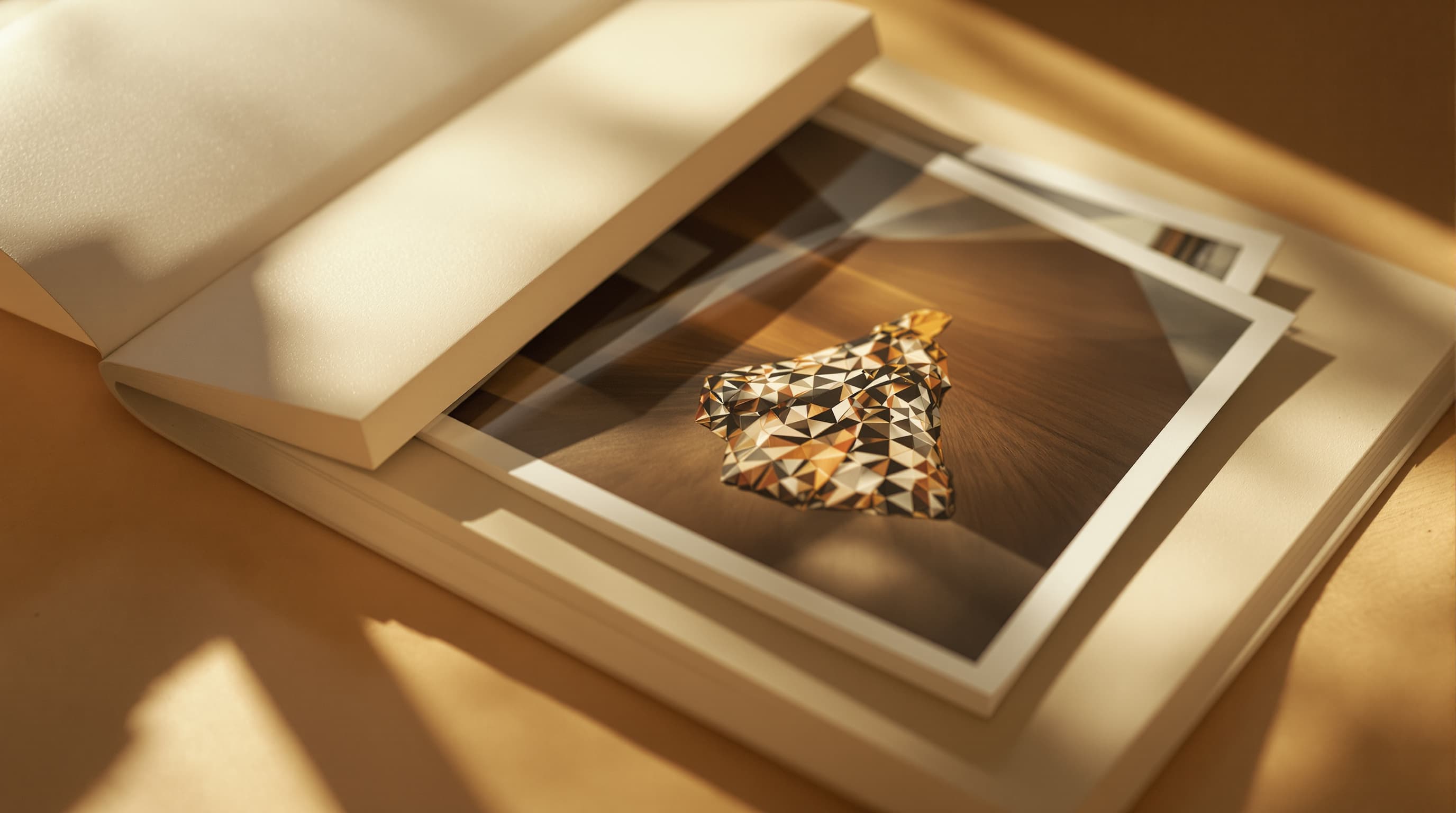
Three page sizes, three intentions
Fit the page to the image, or the image to the page
When the picture is the document
Each page takes the exact proportions of its own image, so nothing is letterboxed and no white margin appears anywhere. A landscape photograph makes a landscape page and a tall screenshot makes a tall one.
This is what you want for a portfolio, a set of screenshots, or anything destined to be read on a screen rather than printed. Mixed orientations stay natural instead of being forced into a common rectangle.
- No margins, no letterboxing, no cropping.
- Pages may differ in size from one another.
- Best for on-screen reading.
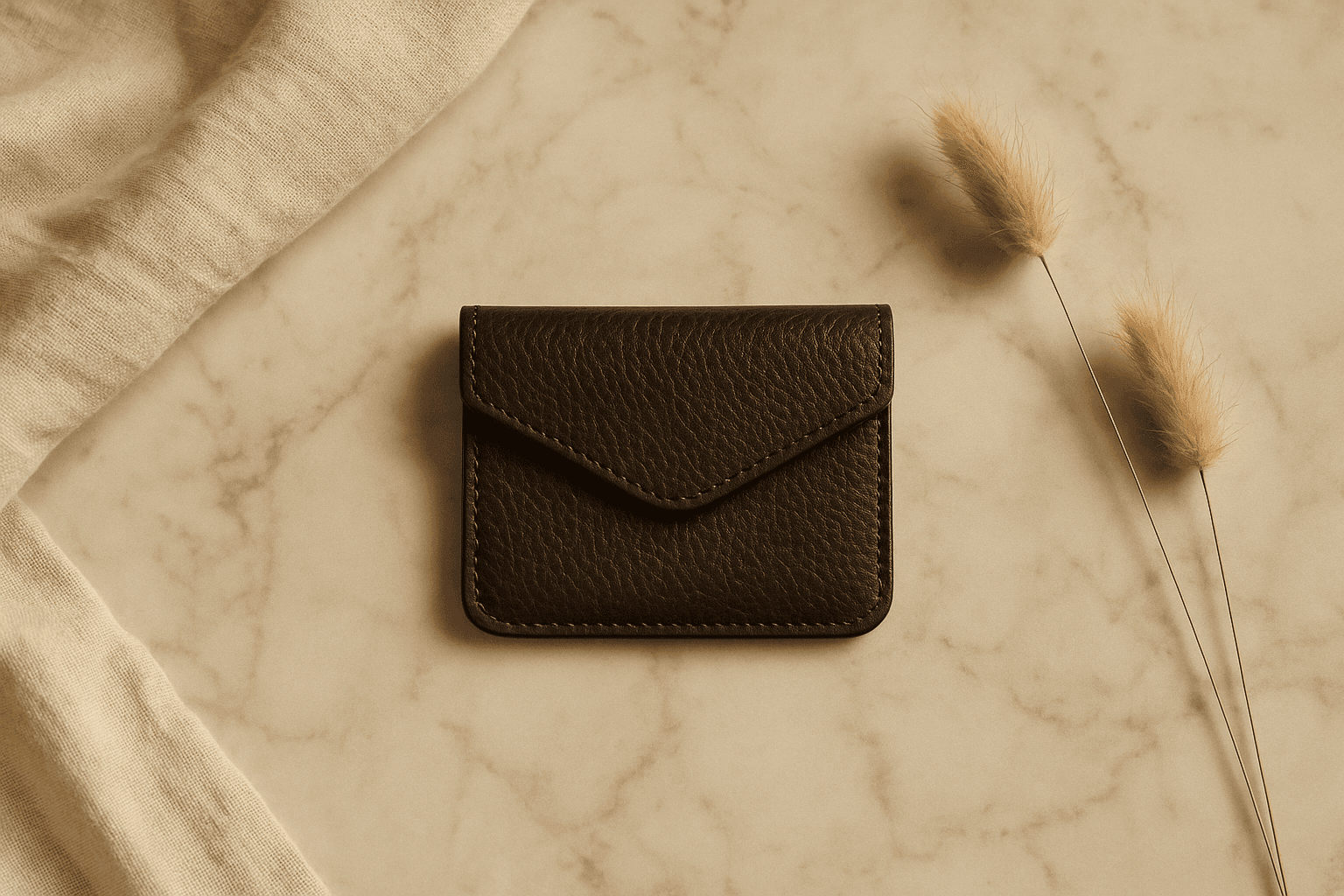
When it is going to a European printer
Two hundred and ten by two hundred and ninety-seven millimetres, with the image centred and scaled to fit inside whatever margin you choose. Every page comes out the same size regardless of what shape the images were.
This is the format for anything being posted, filed or handed across a desk anywhere outside North America.
- Uniform pages, whatever the source images.
- Margin is adjustable from zero to 72pt.
- The image is contained, never cropped.
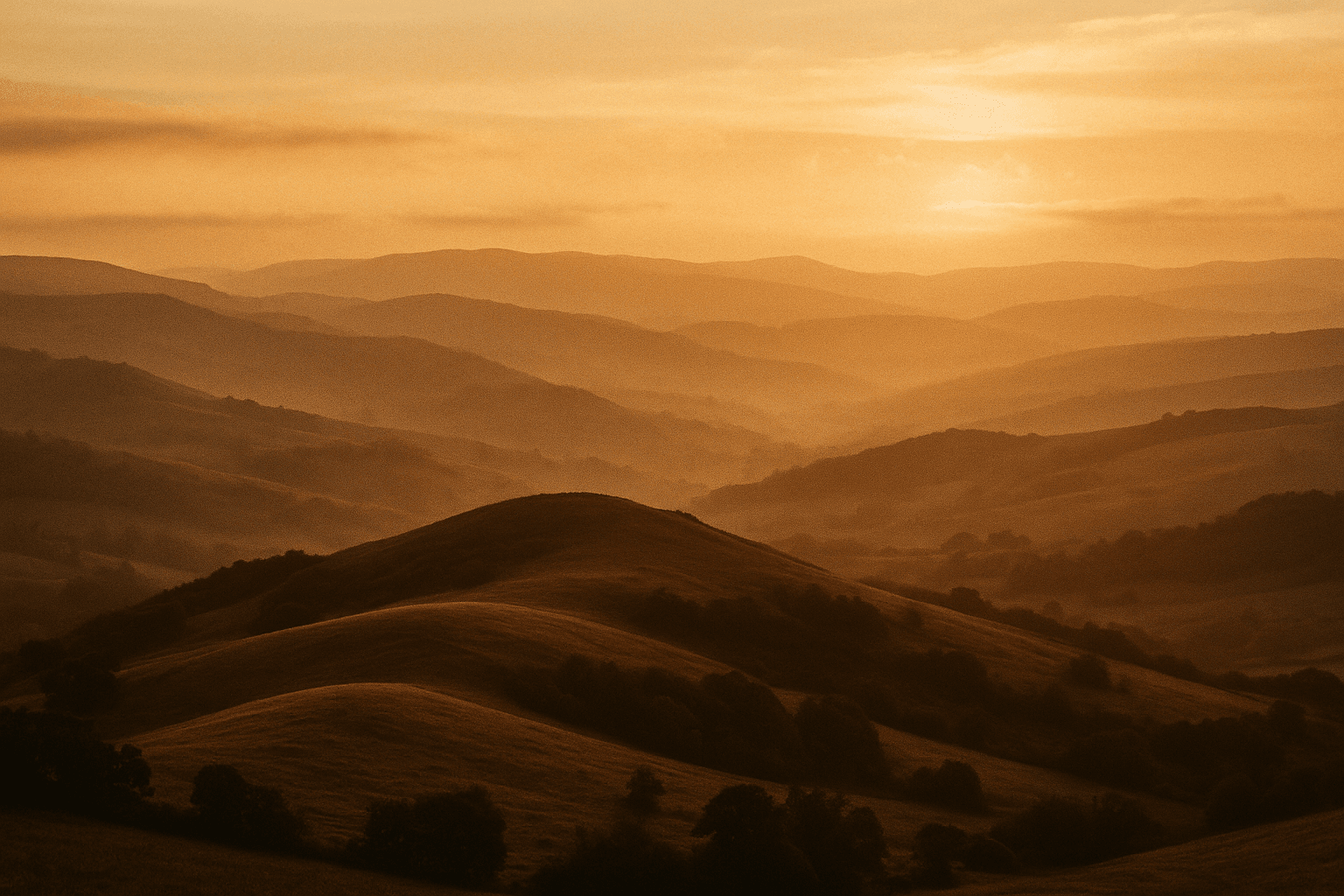
When it is going to a North American printer
Eight and a half by eleven inches. Slightly wider and slightly shorter than A4, and the difference is enough that an A4 document sent to a Letter printer comes back with clipped edges or an unwanted scale-down.
Choose by where it is being printed rather than by where you are. A document going to a US office wants Letter even if you made it elsewhere.
- The North American office standard.
- Not interchangeable with A4 in practice.
- Same centring and margin behaviour.
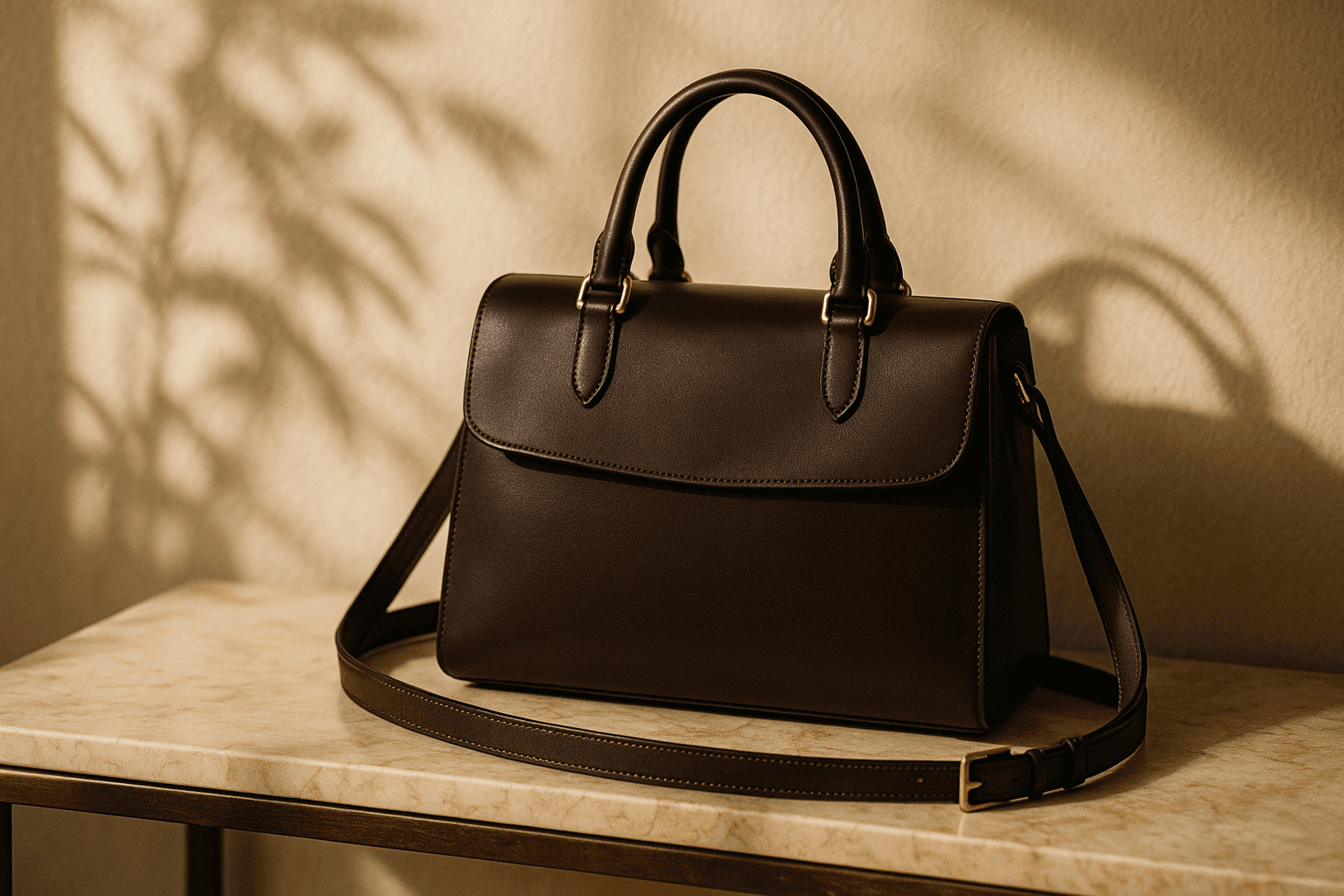
Converting images to PDF
The situations this actually comes up in
What people are usually doing when they need a JPG turned into a PDF.
A form that was photographed rather than scanned
Photograph each page separately, add them in reading order, and choose A4 or Letter to match the original. The margin setting keeps the text away from the paper edge, which matters if anyone prints it.
Several receipts for one expense claim
Add them all, reorder with the arrows so they match the order on the claim, and export one file. A single PDF is far easier for a finance team to handle than nine attachments.
A portfolio to send as one attachment
Use fit-to-image so nothing is letterboxed, and put the strongest work first — a PDF opens on page one and many people never reach page four.
Images that are too large to email
Compress them first with the image compressor, then combine. Building the PDF from already-compressed images is far more effective than building it and then trying to shrink the result.
A mix of portrait and landscape pictures
Fit-to-image keeps each one natural. A fixed page size will centre them all on identical pages, which looks more formal and wastes space around the landscape ones.
Scans that came out slightly crooked
Straighten and crop them before converting. Rotating inside a PDF afterwards is possible in some readers but does not change the stored page, so the next person to open it sees the crooked version.
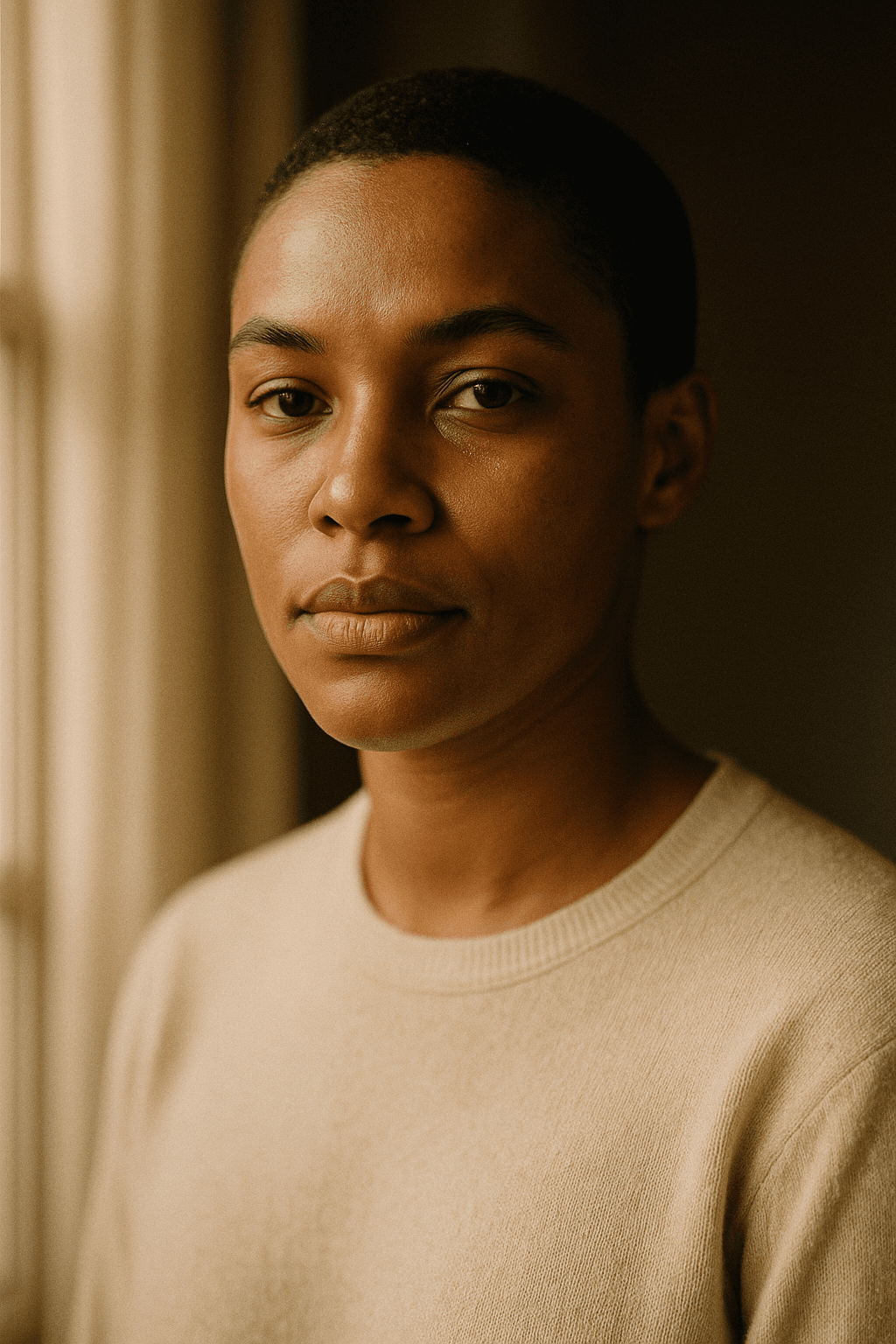
Before and after the conversion
Tools that pair with making a PDF
Beyond the document
When you need the picture rather than the paperwork
A PDF packages what exists. These make what does not.
- resize to exact pixels
- convert an image format
- image compressor
- image cropper
- image colour palette
- cut out a subject
- EXIF viewer
- AI prompt generator
- make anime art
- cartoon image style
- pixel art style
- the ranked comparison
- compared with Midjourney
- Leonardo AI alternative
- LaFoto vs Ideogram
- Canva alternative for images
- what is a seed
- denoise strength explained
- editing inside a mask
- guides and explainers
Start creating today
Generate your first image with the best AI image generator.
Turn a sentence into a finished, photorealistic image in seconds — then refine every detail. No setup, no Discord, no GPU.
Join 4,200+ creators using LaFoto